In the previous scopes article, we discussed image clarity, lens quality, and the importance of choosing the right magnification. But vision alone does not guarantee an accurate hit.
When observation turns into aiming, a more sensitive stage begins:
- Does the mount maintain zero retention after recoil?
- Is the visible dot size in the red dot sight suitable for the distance and the nature of the target?
- Does the rangefinder measure the true horizontal distance when there is slope or elevation in the terrain?
- Are all components mechanically compatible without pressure or misalignment?
Here we move from the question:
How do you see the target?
To a more professional question:
How do you build a complete aiming system that operates with mechanical stability, optical precision, and calculated decision-making?
In this guide, we will discuss in detail scope mounts, red dot systems, and rangefinders from specialized brands such as:
MECANIK – Shield Sights – Trijicon – Vector Optics – ATHLON – Apex Optics – SeeAll Sights – GPO – Konus
With a focus on technical standards that matter to users, rather than just descriptive information.
First: Scope Mounts & Bases – The Engineering Foundation of the Aiming System
Why is the mount a critical component of performance?
A scope mount is not just a fixing piece.
It is the mechanical interface that determines:
- Alignment of the line of sight
- Zero retention
- Repeatability
- Recoil resistance
Any misalignment or uneven pressure distribution on the scope tube can cause point-of-impact shift, even with the best optics in the world.
Technical Criteria You Should Look For
1️⃣ Rail Compatibility
Rail compatibility is one of the first factors that must be verified before installing any optical system, as differences in standards can directly affect mounting stability and precise alignment.
For example, the Element Helix GEN 2 4-16×44 FFP scope comes with the MPR-1C MRAD reticle within a First Focal Plane system, which means the measurements remain accurate across all magnification levels — an important feature for shooting that relies on precise distance calculations.
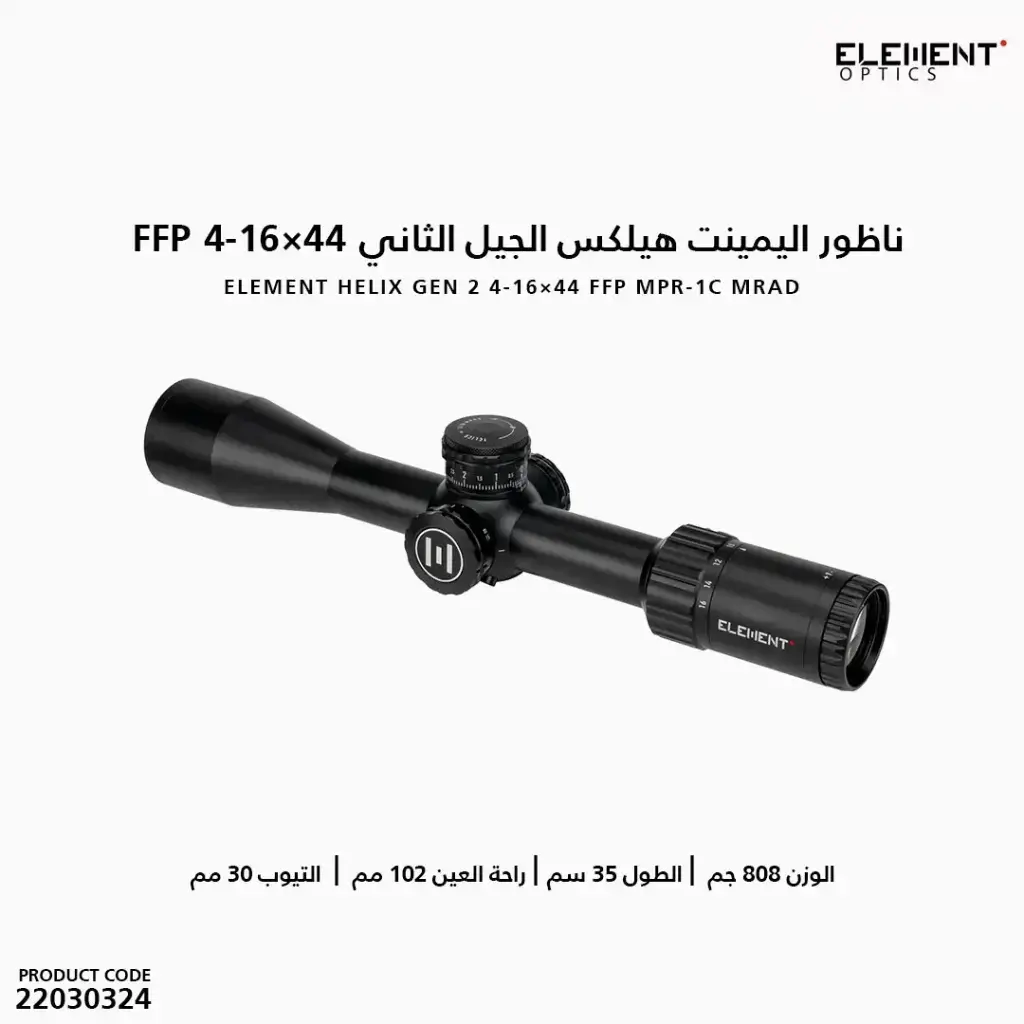
When discussing rail compatibility and tube diameter, it is essential to ensure that the selected mount supports the actual scope size to guarantee precise alignment and continuous stability.
For example:
The Arken EP-8 1-8×28 FFP scope comes with a 34 mm tube, which requires rings or mounts compatible with this exact size. Using a 30 mm mount, for example, would cause mechanical mismatch and loss of stability.
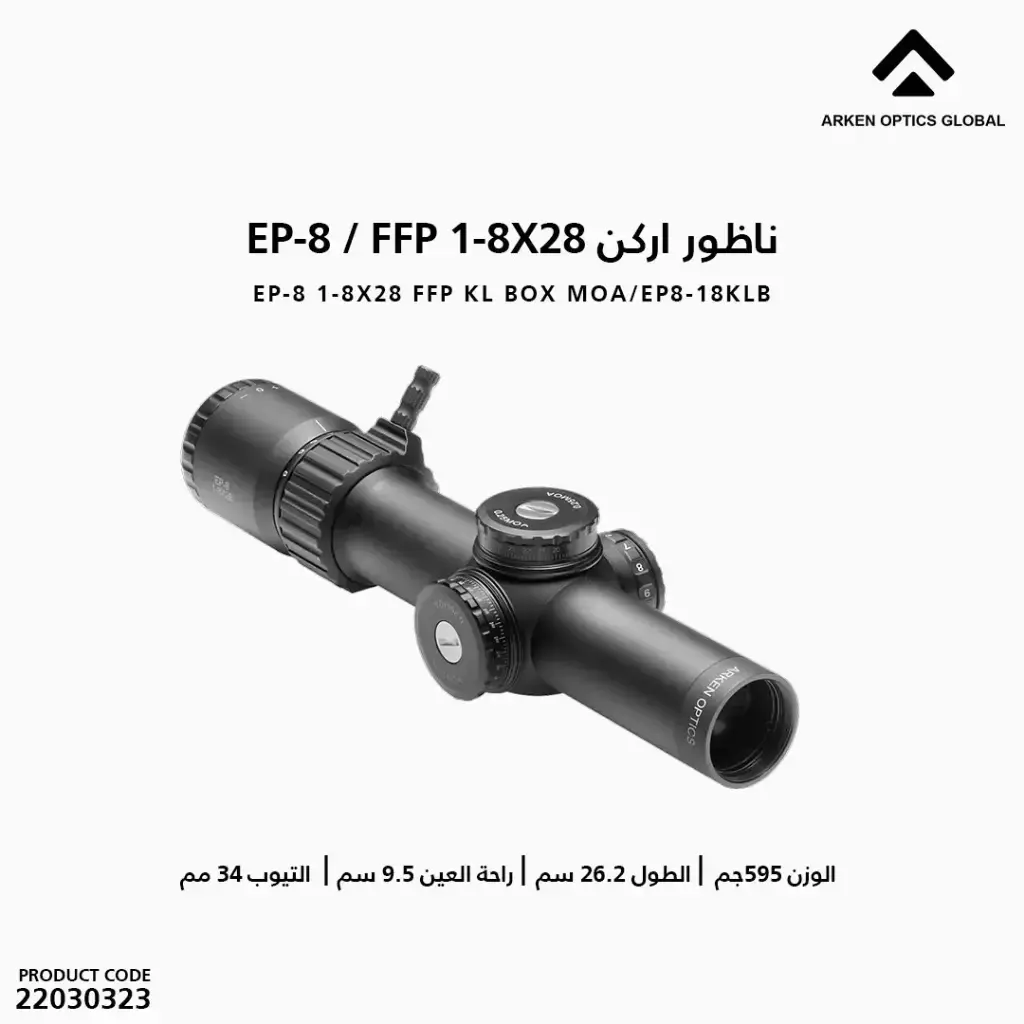
2️⃣ Scope Rings Diameter
- 1 inch
- 30 mm
- 34 mm
Choosing the wrong size may cause uneven pressure on the tube or loss of stability.
Brands such as Vector Optics and ATHLON offer rings made from Aircraft Grade Aluminum to ensure lightweight durability.
UTG medium and adjustable mounts also provide the same level of quality, with a practical design compatible with 22 mm Picatinny rails, giving strong stability with easy installation and control.
1 Inch
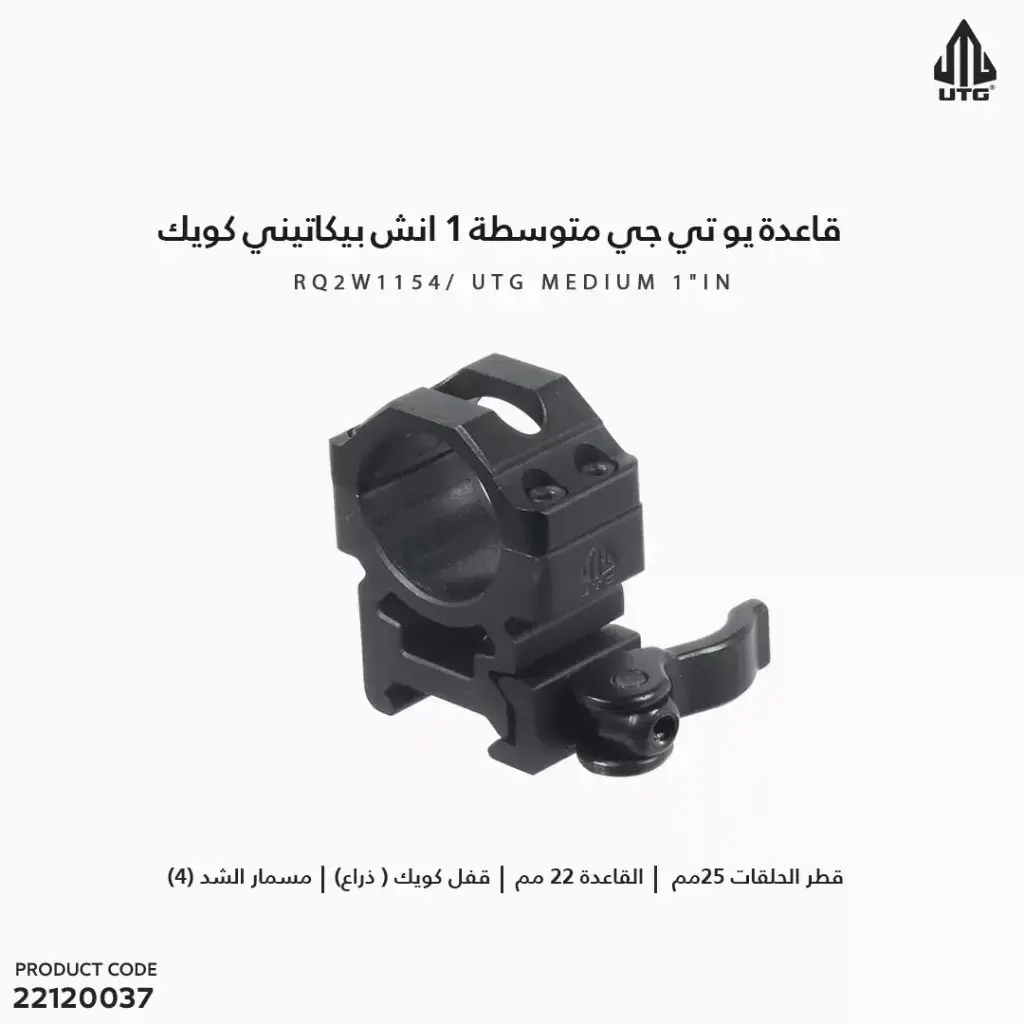
UTG Medium 1-inch Picatinny Mount – Quick Lever Lock RQ2W1154
Practical design with quick-release lever lock, 25 mm ring diameter and 22 mm base, with 4 tightening screws for stronger stability and consistent performance in every shot.
30 mm
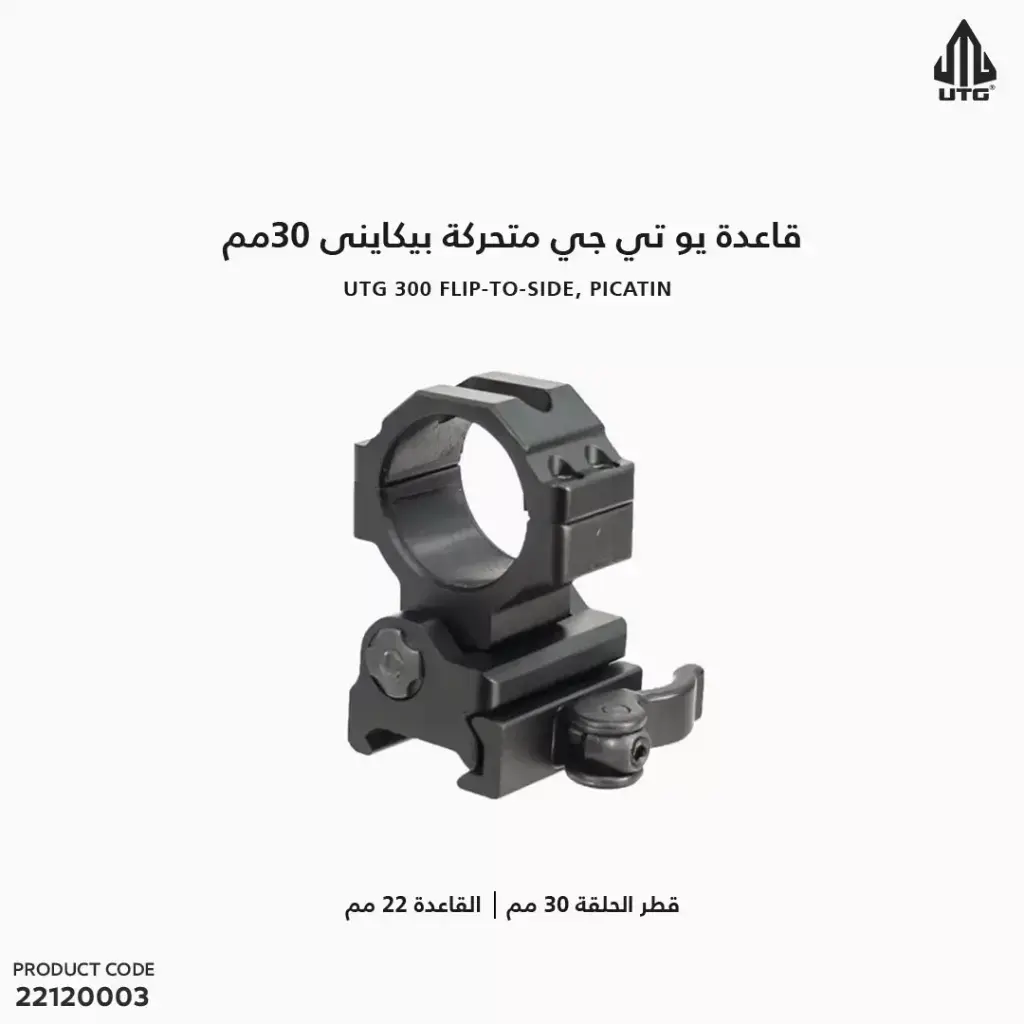
UTG Adjustable 30 mm Picatinny Mount – RG-MF30QS
30 mm ring diameter with a 22 mm base for strong stability and ideal compatibility with Picatinny rails.
A practical solution for those who need mounting flexibility without sacrificing stability.
34 mm
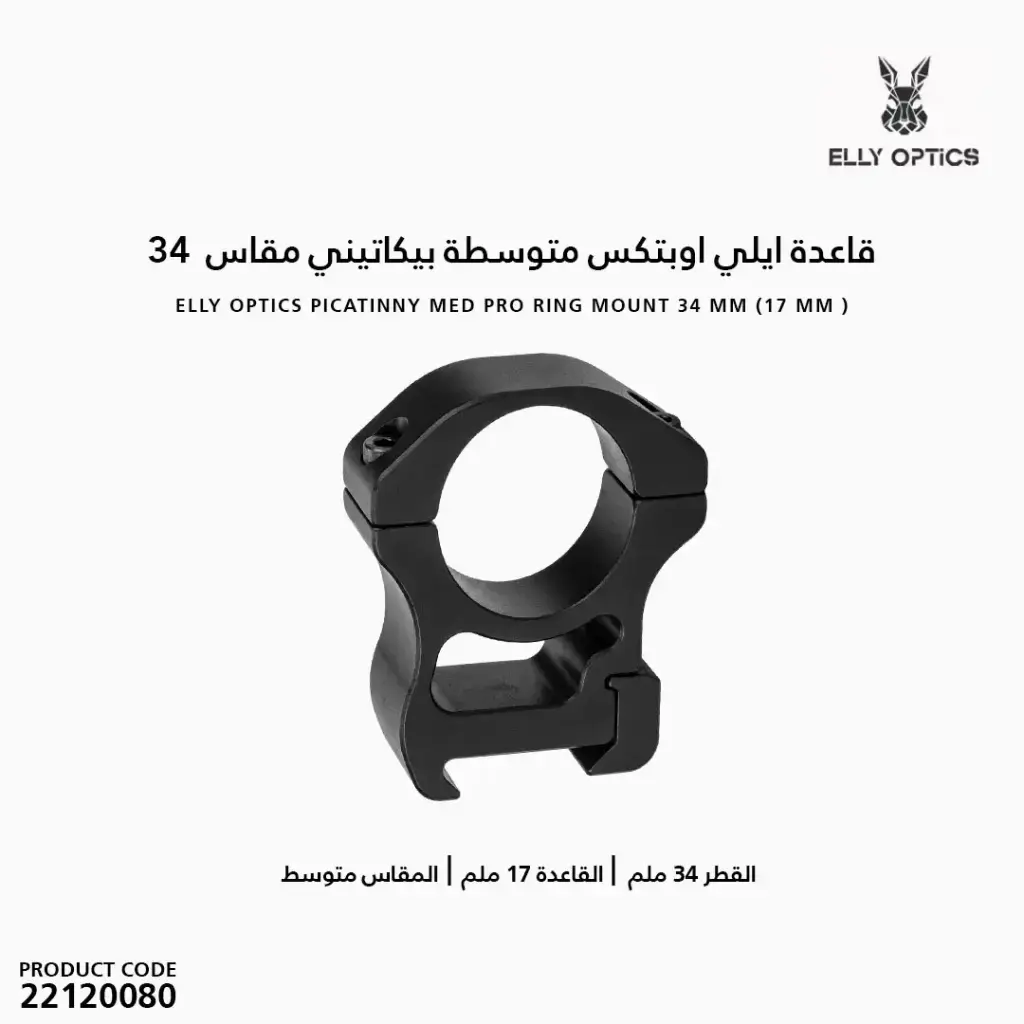
Eley Optics Medium Picatinny Mount – 34 mm
Medium design with a 34 mm diameter and 17 mm base, providing stable mounting and reliable performance
Choosing the correct ring diameter prevents tube stress and preserves precise alignment, reducing the likelihood of deviation or zero loss during repeated use. Proper compatibility between the mount and the scope diameter not only protects your equipment but also ensures higher stability and long-term performance.
When Do You Need a Heavy-Duty Professional Mount?
- When using high-recoil calibers
- In long-range shooting that requires absolute stability
- In repeated tactical use
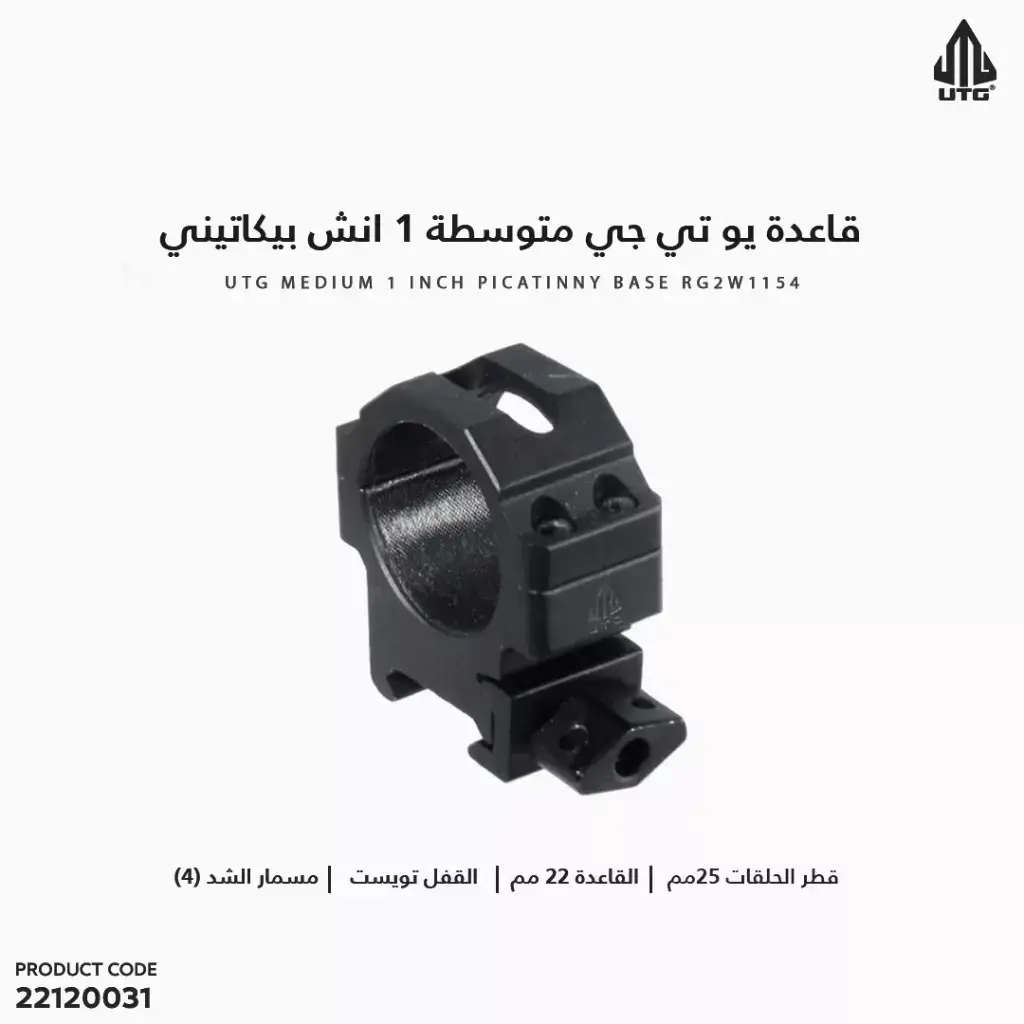
UTG 1-Inch Medium Picatinny Rings – Twist Lock
25 mm diameter – 22 mm base – balanced medium height.
Twist-lock system with four tightening screws provides even pressure distribution and stable scope mounting.
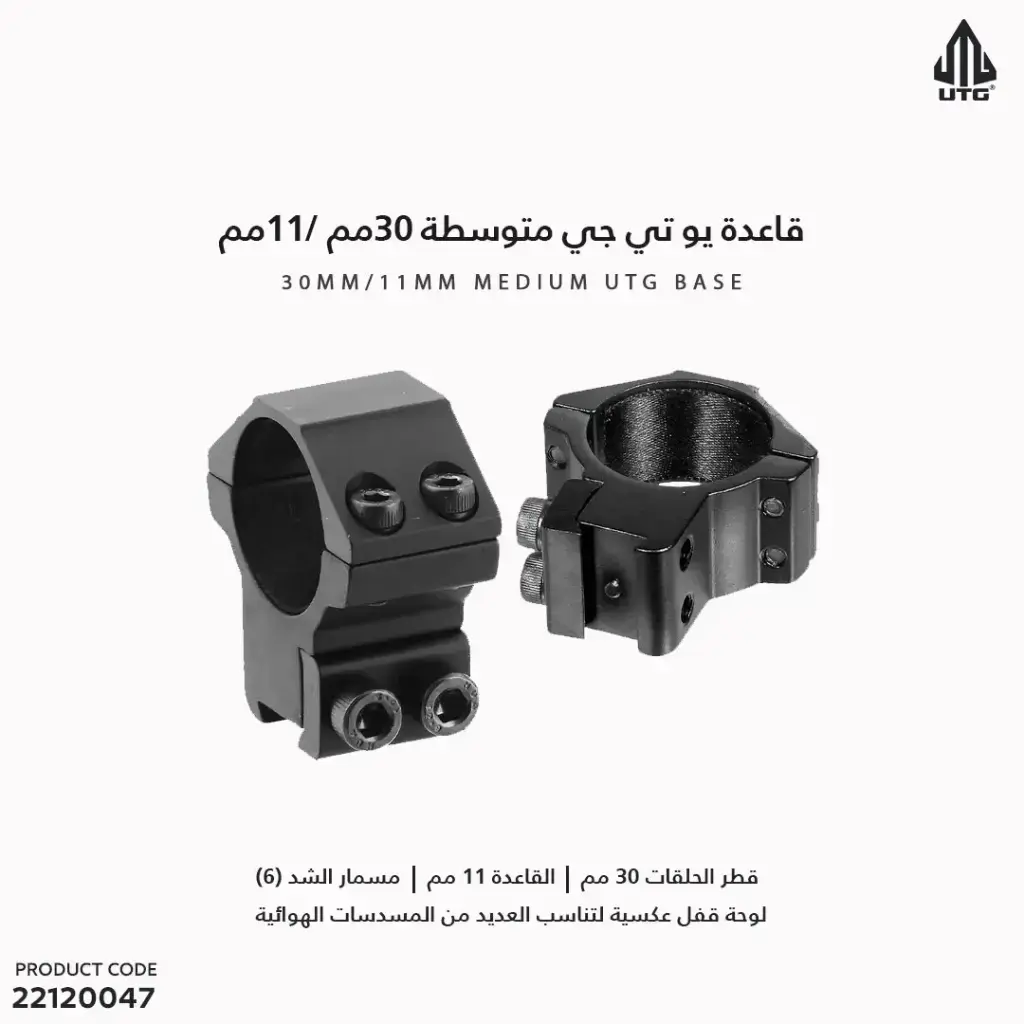
When using a pistol or air rifle with an 11 mm rail, choosing the right ring is essential for stability.
The UTG RGPM-30M4 (30 mm) is designed for this rail type and features a reverse locking plate to improve grip and reduce vibration movement.
Six tightening screws ensure better pressure distribution on the scope tube, helping prevent slipping and maintain proper alignment.
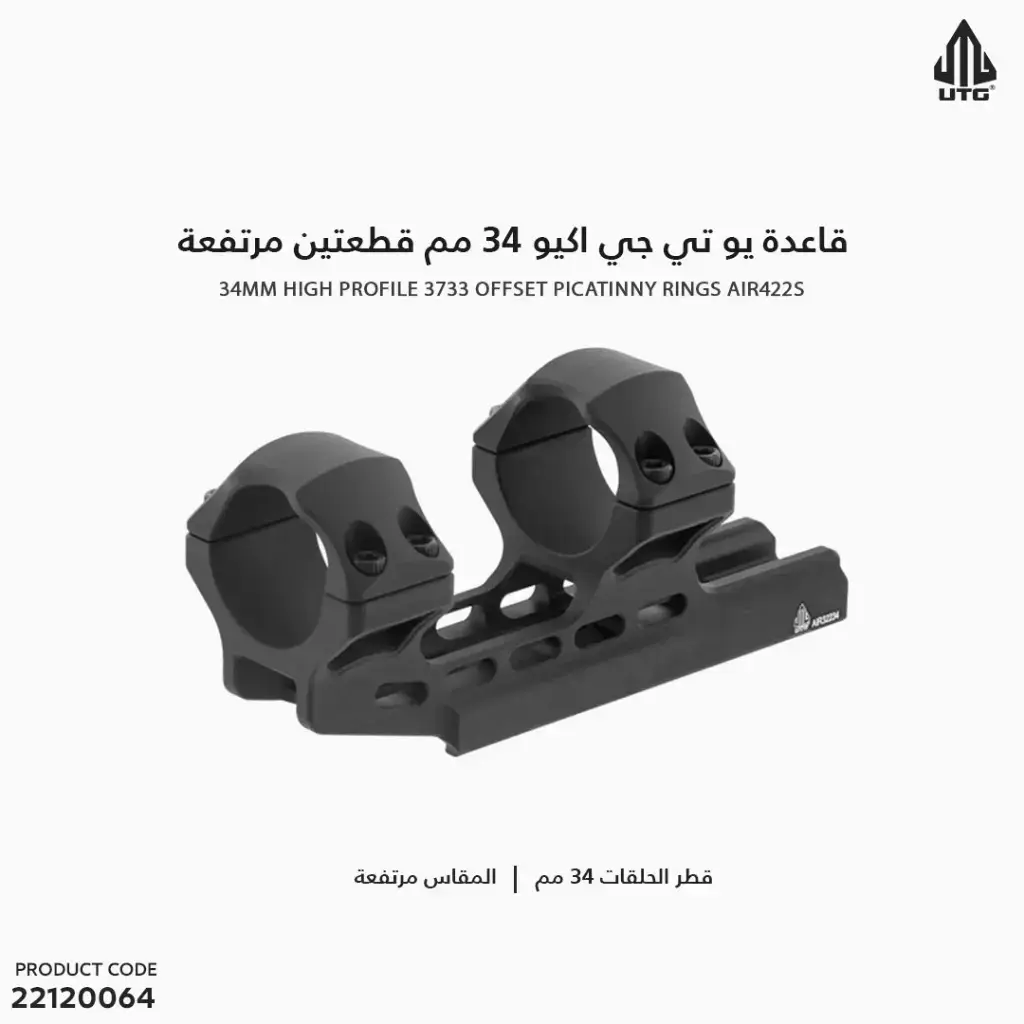
UTG Accu 34 mm Two-Piece Rings – High / 3733
Designed for 34 mm scope tubes with a 22 mm Picatinny base, featuring a height that provides better alignment with large scopes and wide objective lenses.
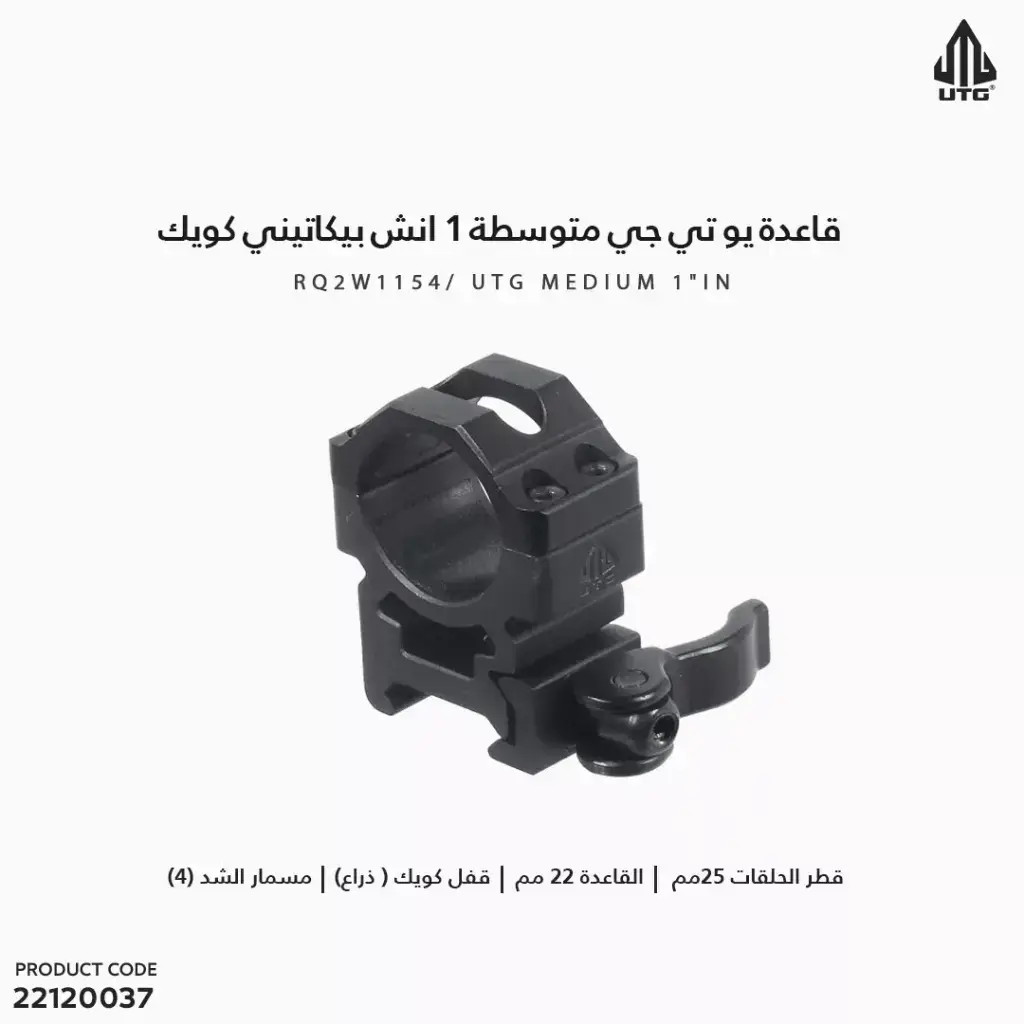
UTG 1-Inch Medium Picatinny Quick Detach Rings – RQ2W1154
25 mm diameter – 22 mm base – Quick Detach lever lock for easy installation and removal.
Four tightening screws ensure balanced pressure distribution, with a practical medium height for comfortable sight alignment
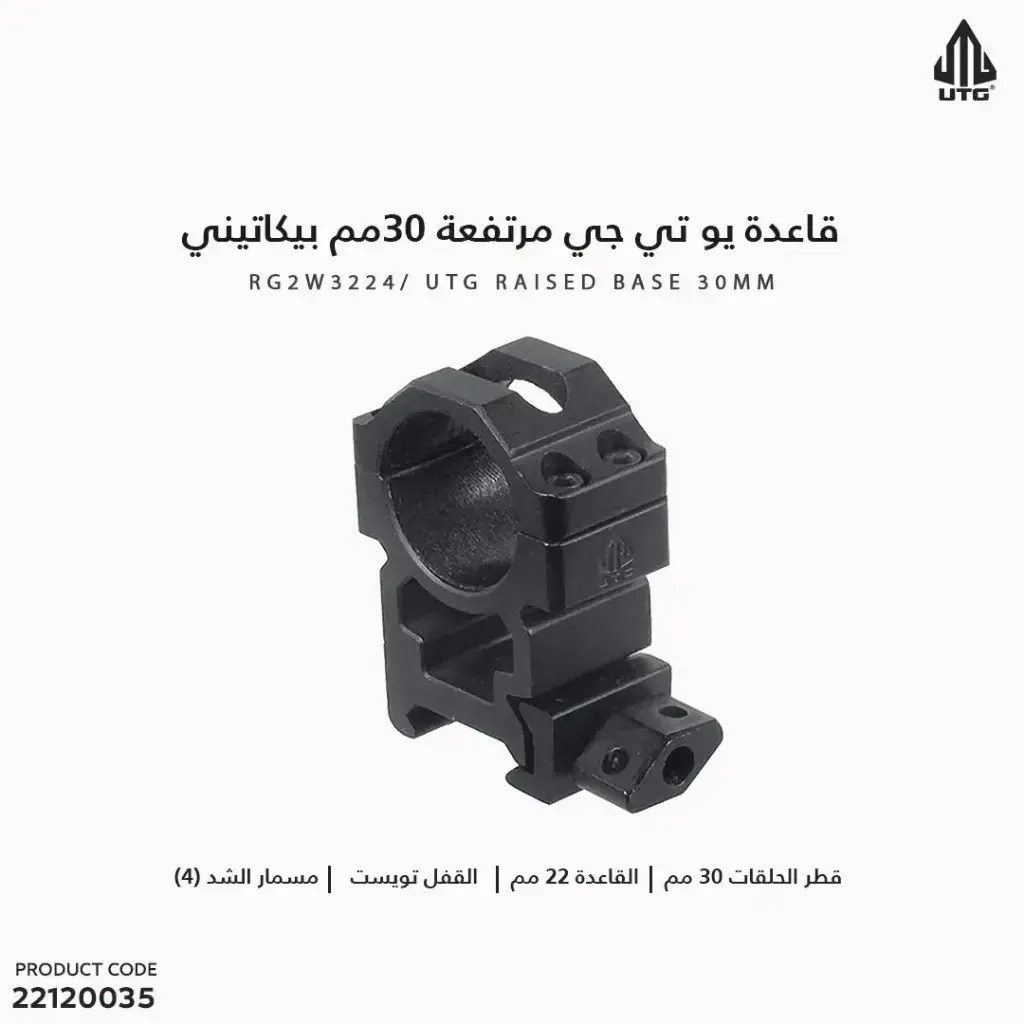
UTG 30 mm High Picatinny Rings – RG2W3224
Designed for 30 mm scope tubes with a 22 mm Picatinny base, featuring a higher profile suitable for scopes with larger objective lenses.
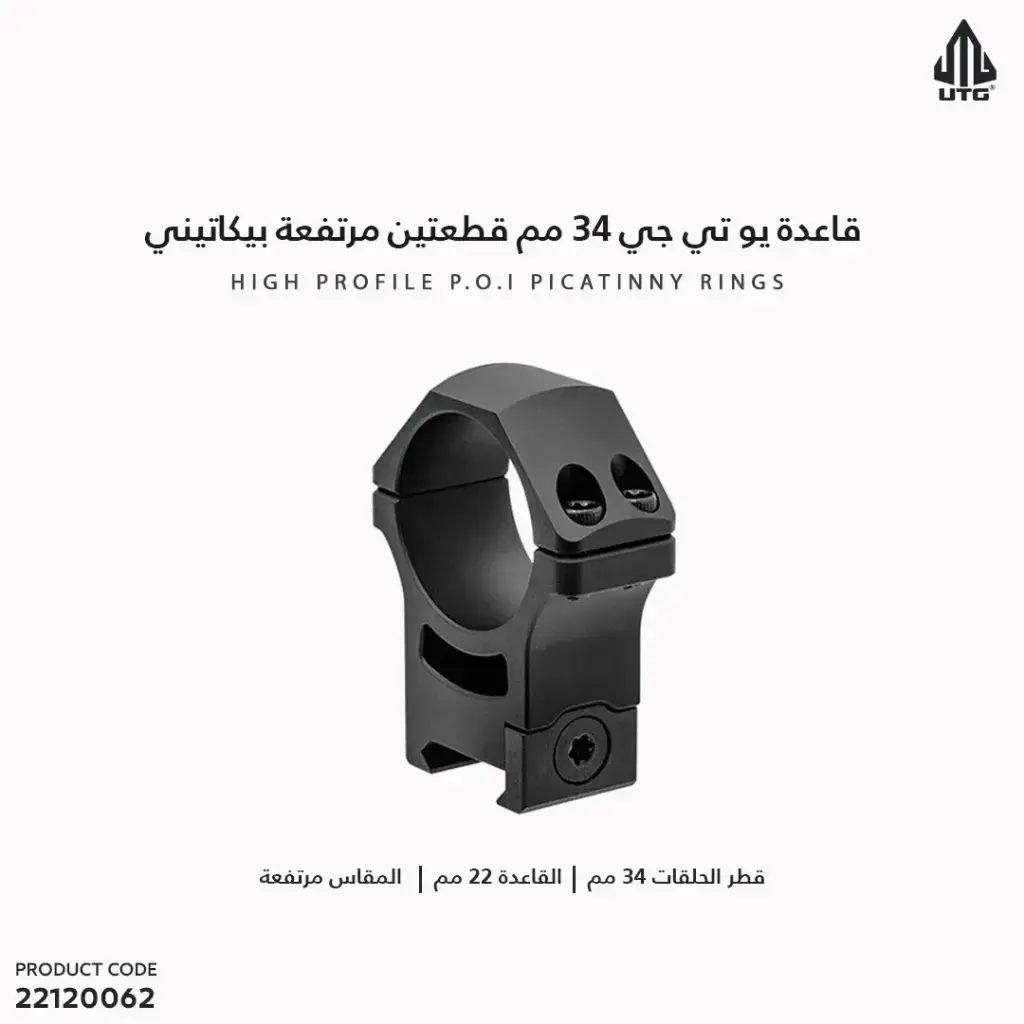
UTG Pro 34 mm Two-Piece High Rings – RWU013420 (Made in USA)
Designed for 34 mm scope tubes with an 11 mm rail, featuring a height suitable for large scopes and wide objective lenses.
A professional solution for stable mounting on rifles with an 11 mm rail.
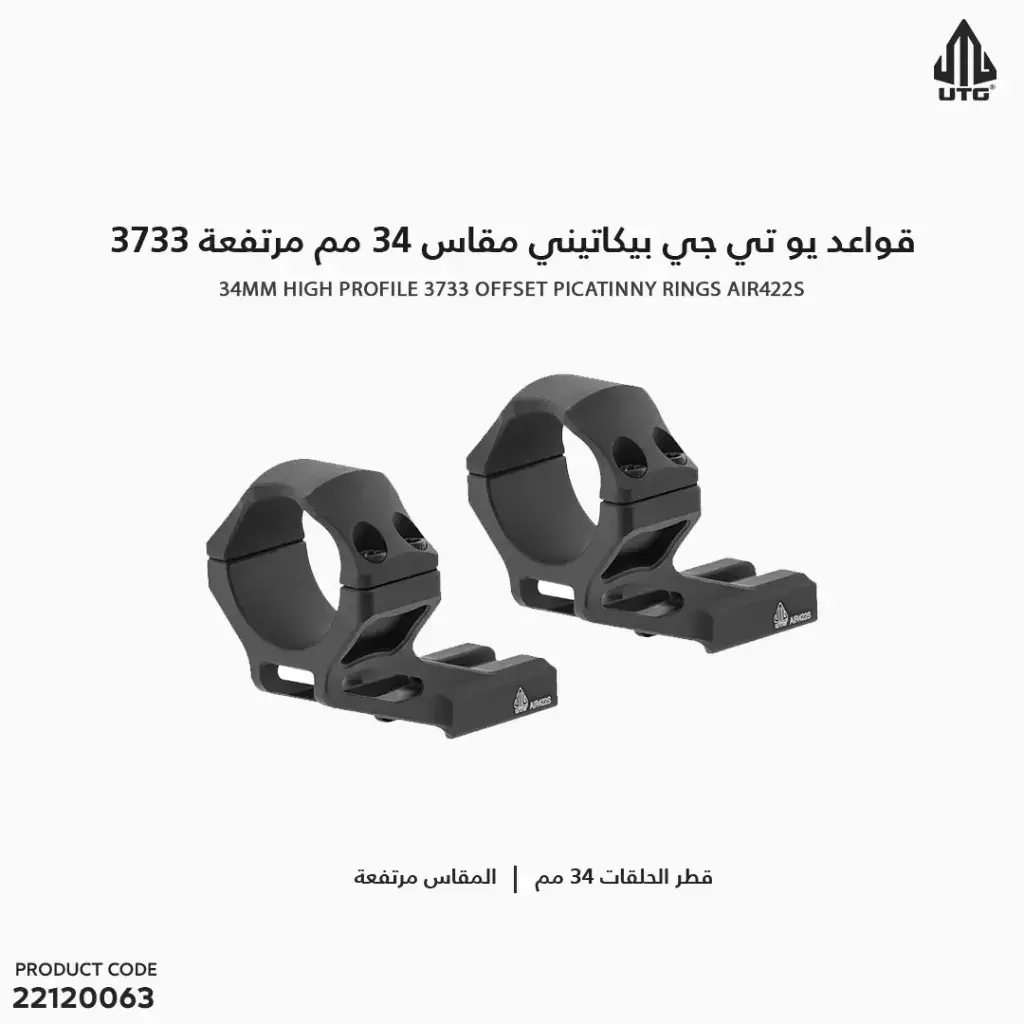
UTG 34 mm High Picatinny Rings – 3733
Designed for 34 mm scope tubes with a 22 mm Picatinny base, featuring a height suitable for scopes with large objective lenses.
Precise compatibility… and dependable stability.
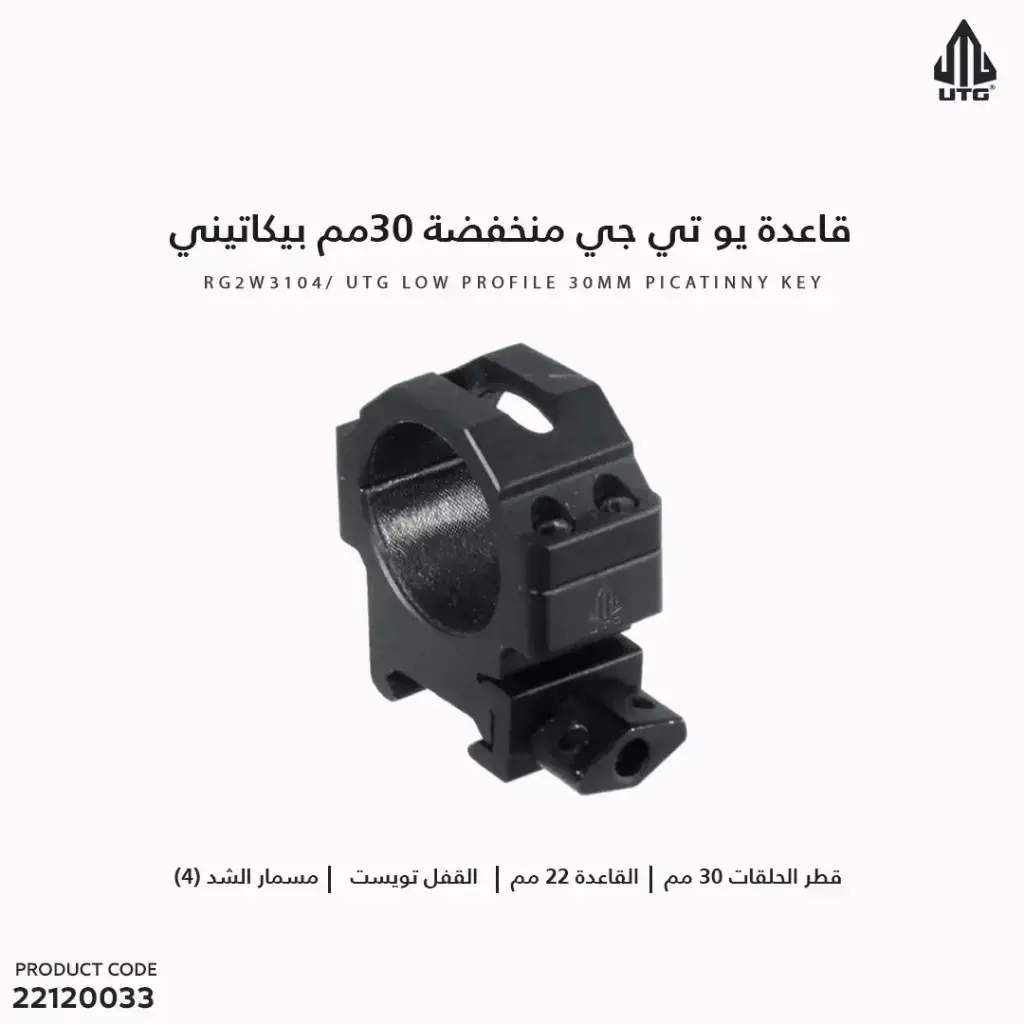
UTG 30 mm Low Picatinny Rings
A low-profile design that brings the scope closer to the rifle’s bore axis, helping achieve a more natural and faster sight alignment.
A suitable solution for 30 mm scopes when additional height is not required.
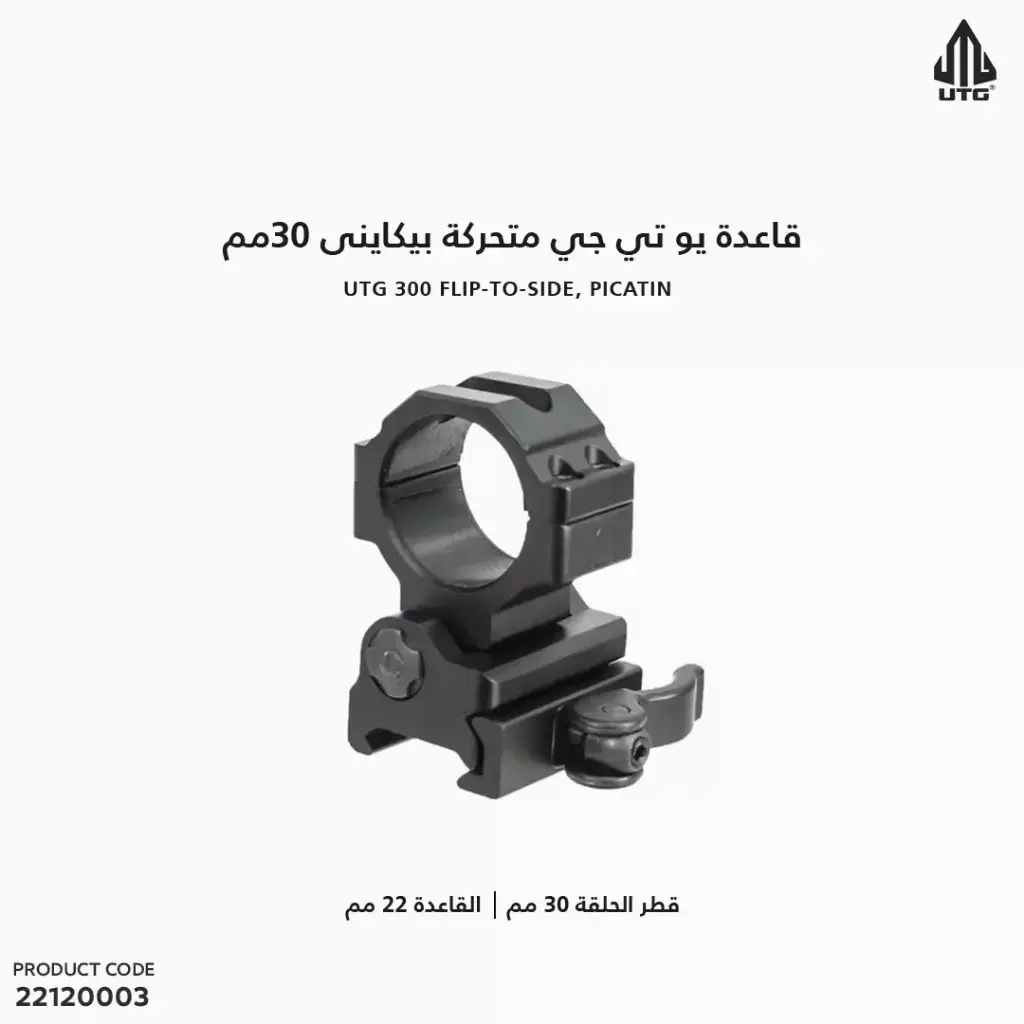
UTG Adjustable Picatinny 30 mm Mount – RG-MF30QS
Provides greater flexibility in positioning the scope on the rail, with full compatibility with 22 mm Picatinny rails.
A practical solution for shooters who need additional adjustment space to achieve the ideal eye relief and viewing position
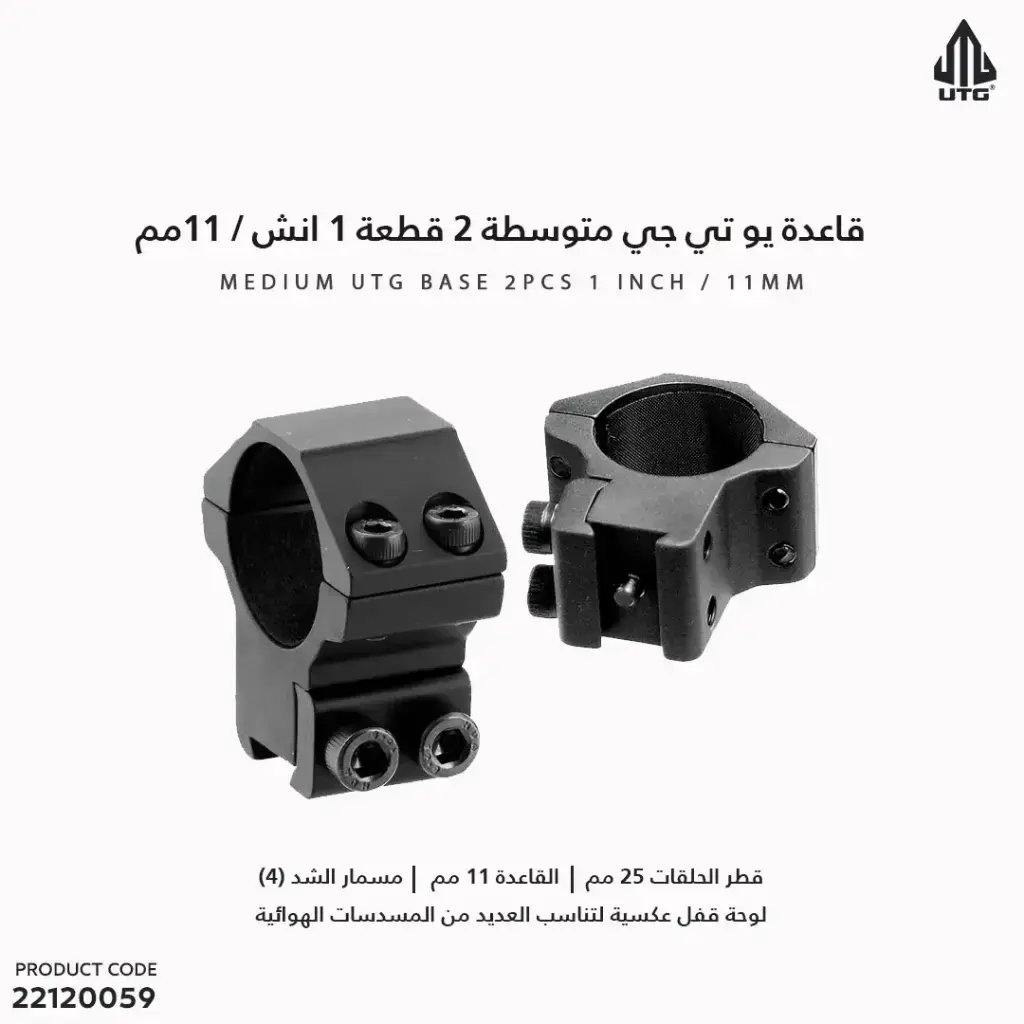
UTG 1-Inch Medium Rings / 11 mm – RGPM-25M4
A practical option for air rifle users, featuring a two-piece design and a reverse locking plate that provides better stability on 11 mm dovetail rails.
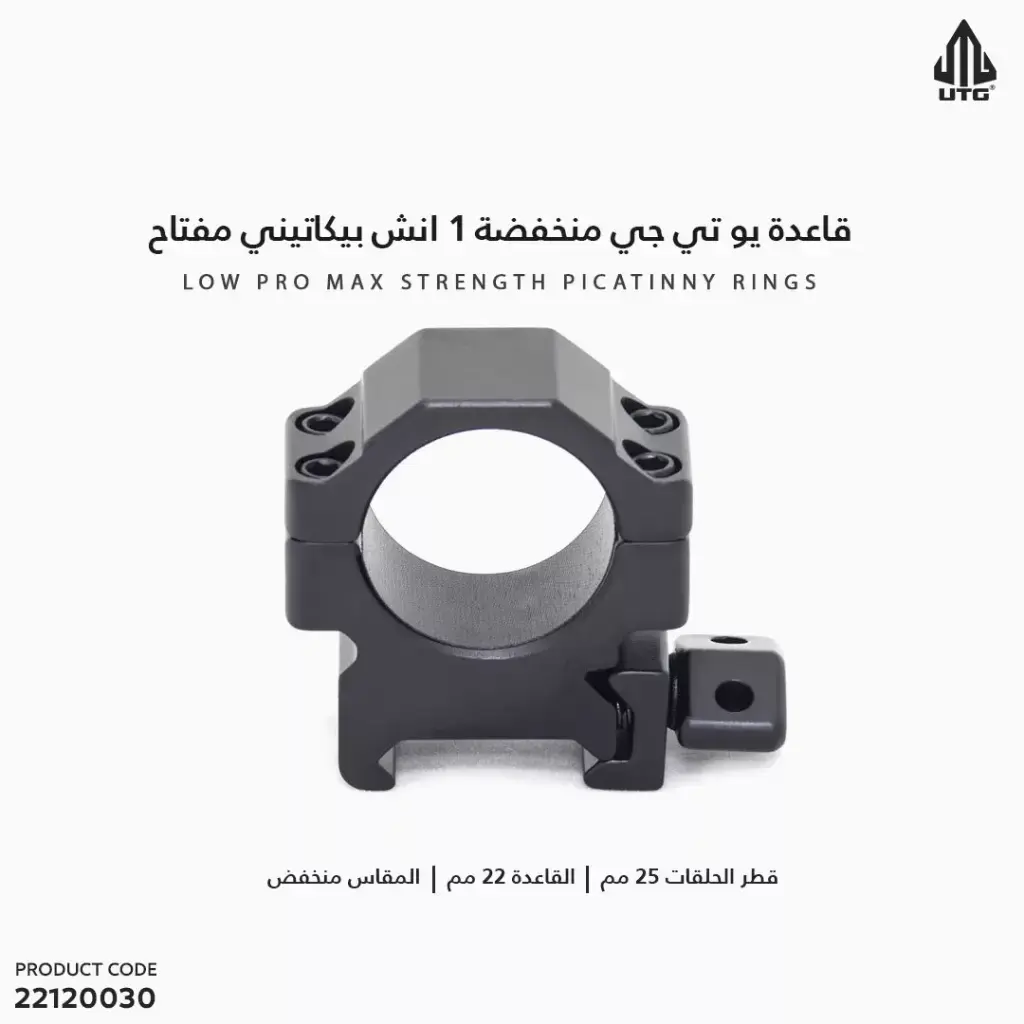
UTG 1-Inch Low Picatinny Rings – RG2W1104
Low-profile design brings the scope closer to the barrel, helping achieve a more natural sight alignment during aiming.
25 mm diameter – 22 mm Picatinny base – secure twist-lock system.
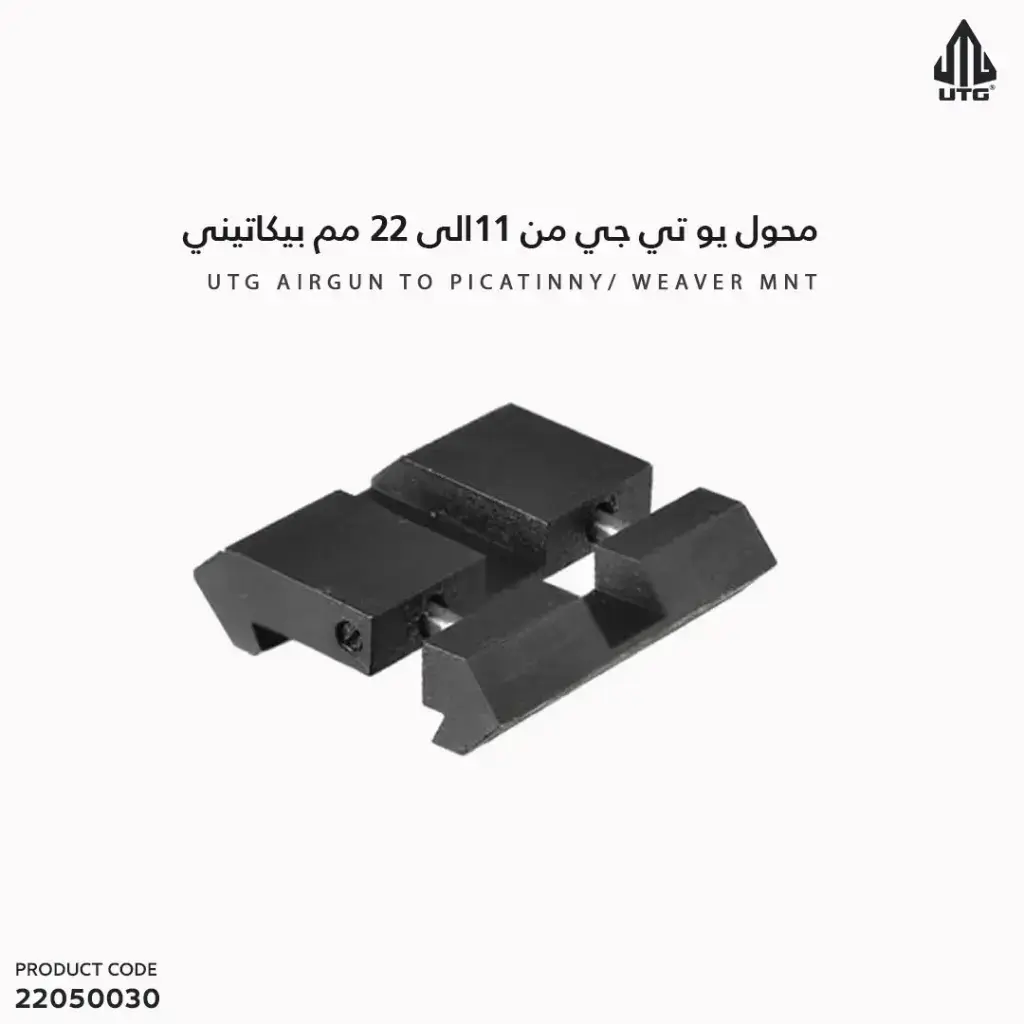
UTG 11 mm to 22 mm Picatinny Adapter – DT2PW01
Two lightweight aluminum pieces that allow you to easily mount Picatinny accessories on 11 mm rails.
Second: Professional Red Dot Sights
How Do You Choose the Right MOA?
MOA (Minute of Angle) determines the size of the red dot visible inside the sight, and the larger the number, the larger the dot appears on the target.
🔹 2 MOA
The dot is smaller and more precise, allowing you to see the target clearly without covering it completely.
Suitable for medium to longer distances and for shooters who care about tight grouping.
Provides more precise control when aiming at small targets.
🔹 3–6 MOA
The dot is larger and easier for the eye to acquire, which speeds up aiming.
Suitable for close or moving targets and situations requiring fast response.
Provides faster target acquisition.
Important note for shooters
The dot size does not change the weapon's accuracy, but it affects how you see the target and how fast you aim.
Your choice should depend on:
✔️ Average shooting distance
✔️ Target size
✔️ Whether your priority is precision or speed
In short:
Precision for longer distances = Lower MOA
Speed for closer distances = Higher MOA
Choose what suits your shooting style, not just a higher or lower number.
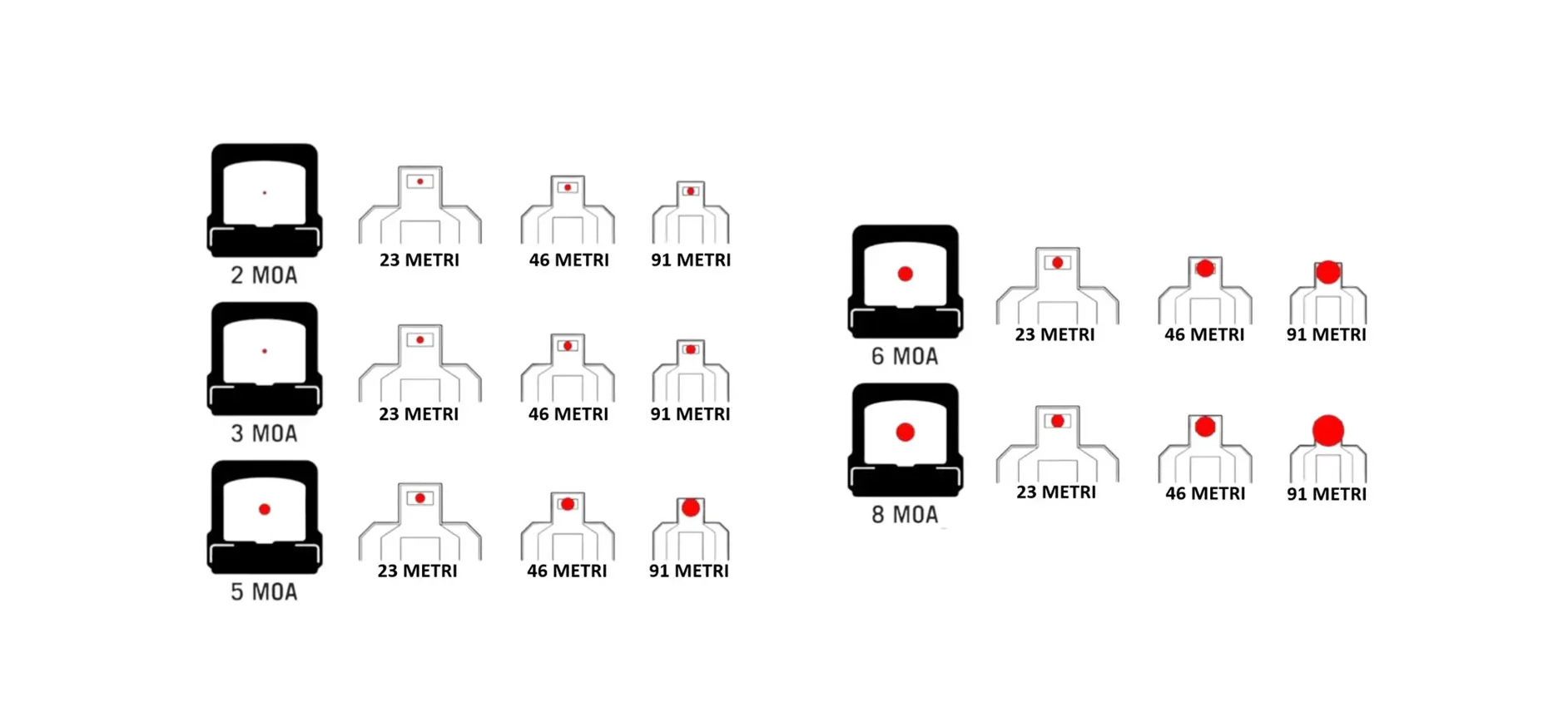
Illustration showing how MOA value affects the apparent dot size on a target across multiple distances.
When Is a Red Dot the Ideal Choice?
A red dot is suitable in several situations, especially when speed and quick target acquisition are essential, including:
- Fast shooting
- Engaging close targets
- Repeated training with air pistols
- Environments that require an open sight picture without magnification
You can browse the latest professional red dot sights available through the Arabian Hunter store
When equipping air pistols with modern aiming systems, the choice is not limited to the red dot sight itself; it also includes the compatibility between the optic, the mounting base, and the firearm platform to ensure stable performance and improved accuracy.
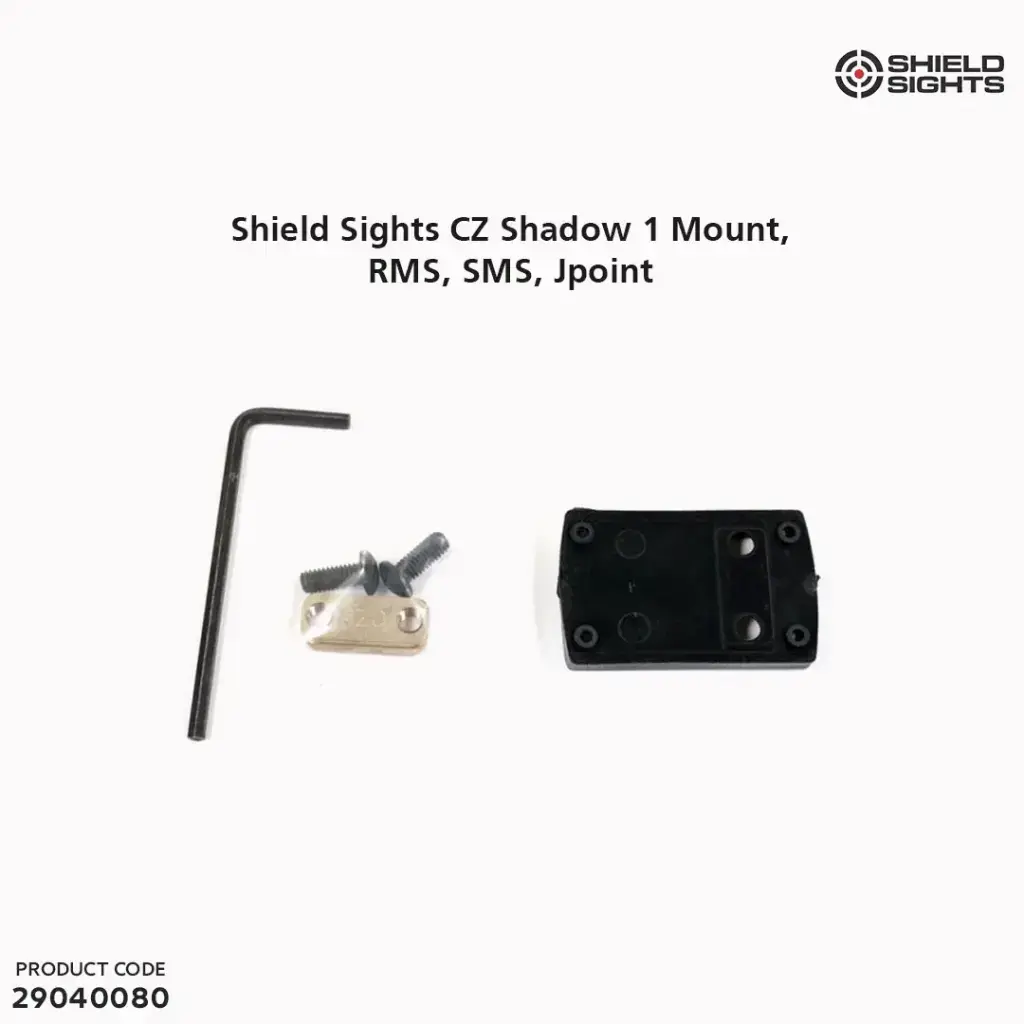
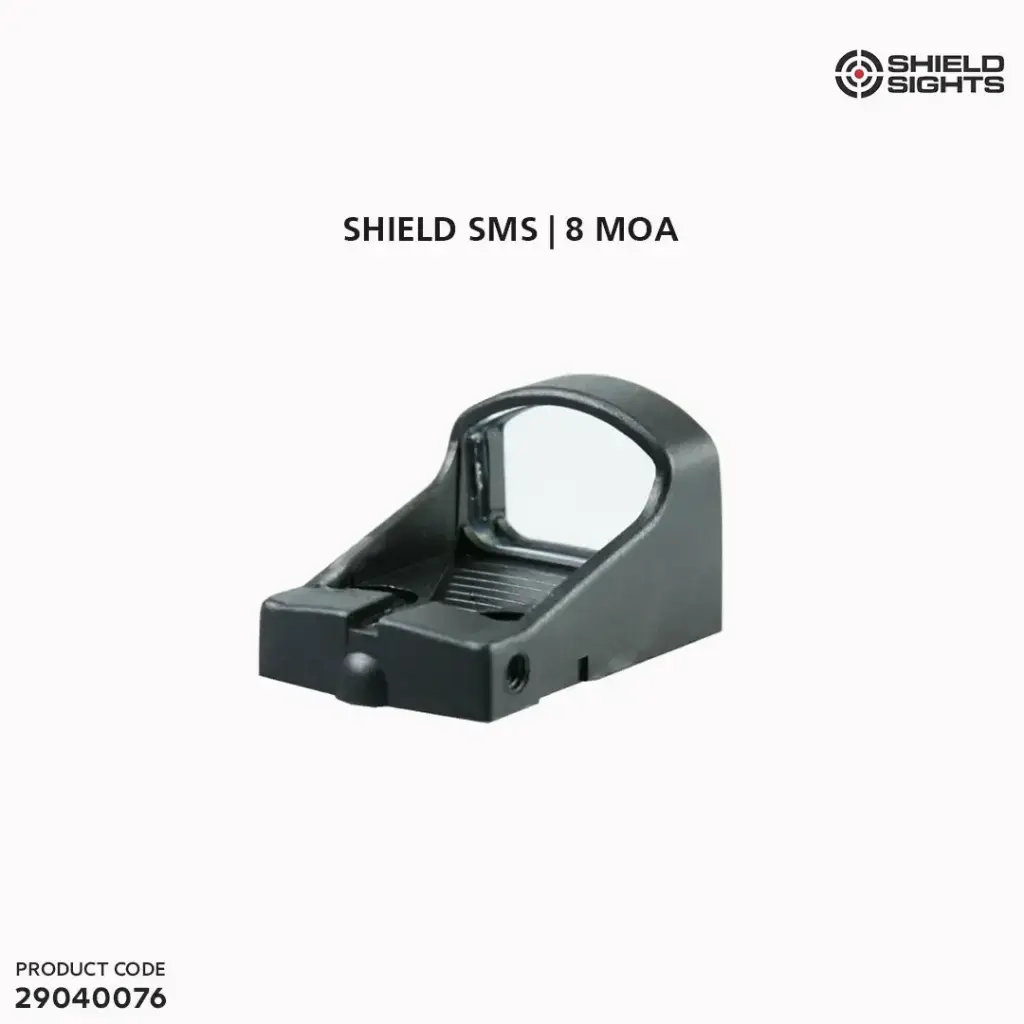
Among the specialized companies in this field is Shield Sights, which has developed compact red dot optics along with mounting plates designed to fit a wide range of modern air pistol platforms.
Shield Sights products rely on a practical design that focuses on a compact size and fast target acquisition, while offering mounting solutions suitable for various types of air pistols. This has made them a popular choice among sport shooters and air-pistol users in tactical applications.
Below is a selection of Shield Sights products that provide different options for mounting red dot optics on several common air pistol platforms:
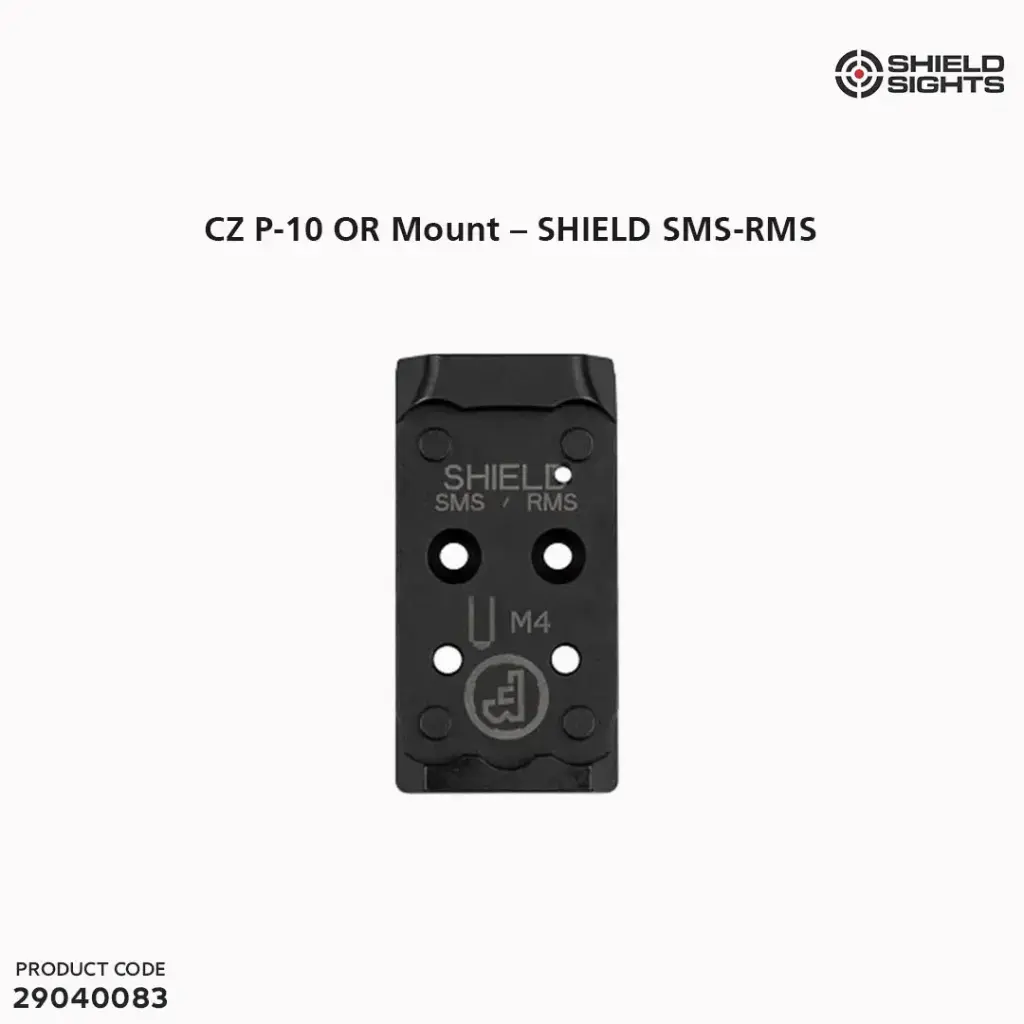
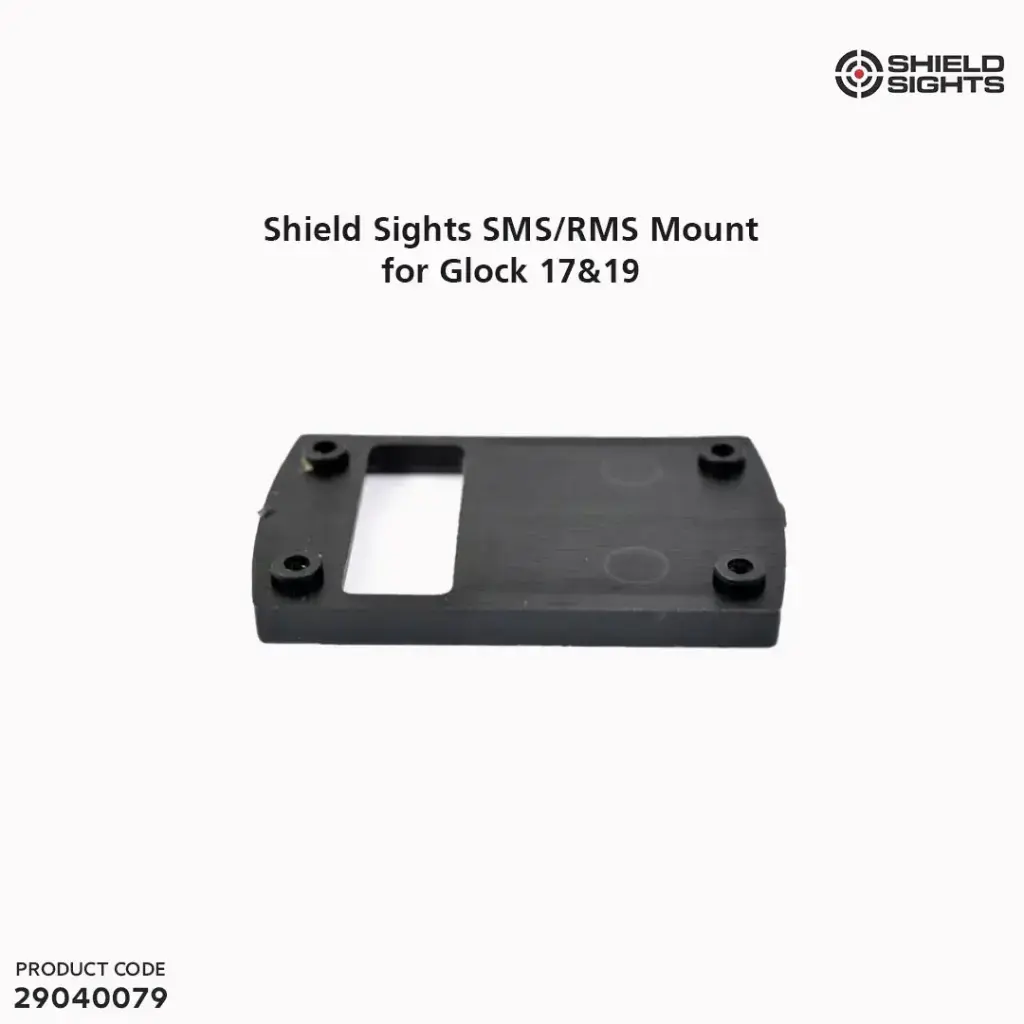
You can explore the range of Shield Sights products available through this link.
Third: Laser Rangefinders
Why Isn't Visual Estimation Enough?
In desert or mountainous environments, terrain can deceive you, making the distance appear closer or farther than it actually is.
That is why laser rangefinders have become essential tools for shooters and hunters seeking greater accuracy before taking a shot.
These devices work by sending a laser pulse toward the target and measuring the time it takes to return, allowing the distance to be calculated with high precision within fractions of a second.
Why Are They Important?
✔️ Reduces errors in distance estimation, especially in open areas
✔️ Helps calculate the correct holdover adjustment
✔️ Increases the probability of first-shot accuracy
✔️ Essential for medium and long-range shooting
Important note for shooters
The longer the distance, the greater the impact of bullet drop and drift.
Knowing the true distance gives you a more accurate decision before pulling the trigger, rather than relying solely on visual estimation.
In short:
A rangefinder does not increase your weapon's power, but it improves the accuracy of your calculations — and that is the real difference in the field.
Trusted Brands in Optical Accuracy
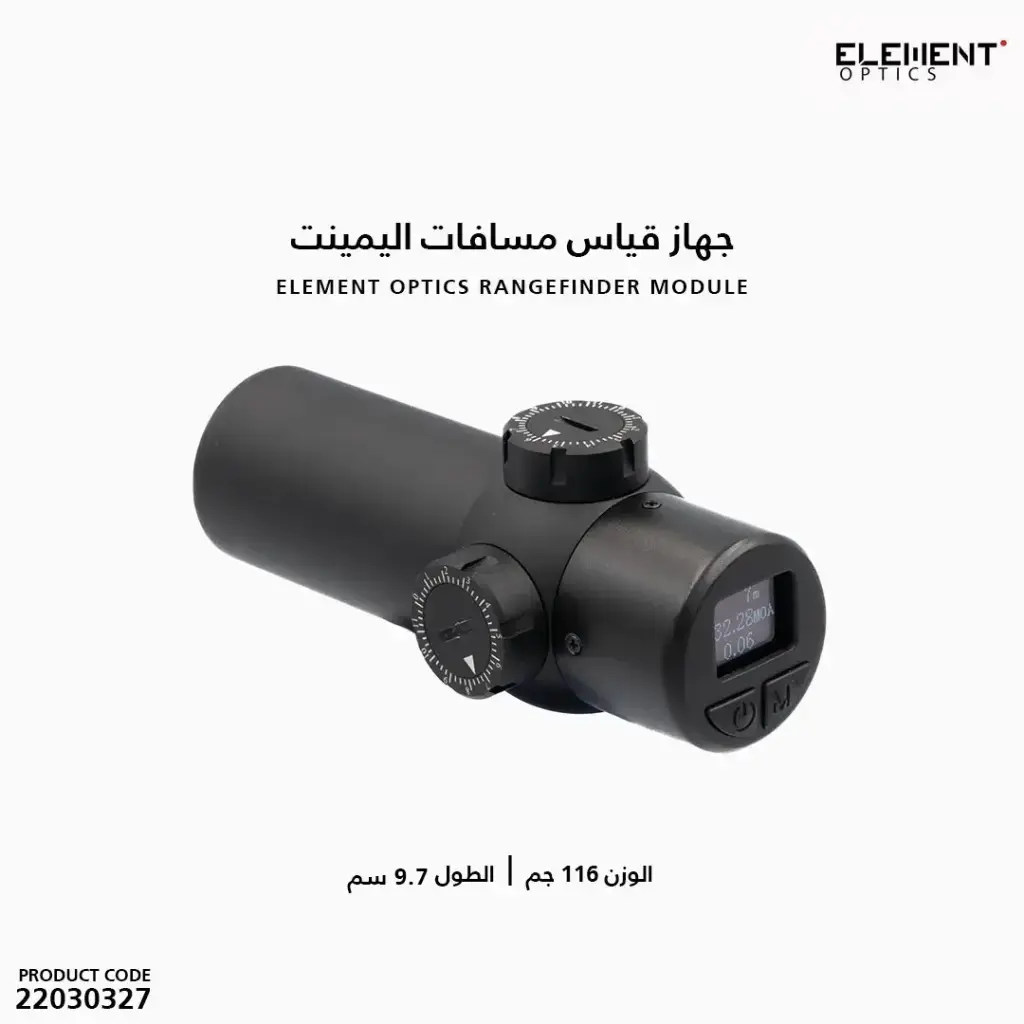
Element Optics Module Rangefinder – 50087
A compact design weighing 116 g and measuring only 9.7 cm in length, providing fast and accurate distance readings before every shot.
An essential tool for shooters who rely on calculation, not guesswork.
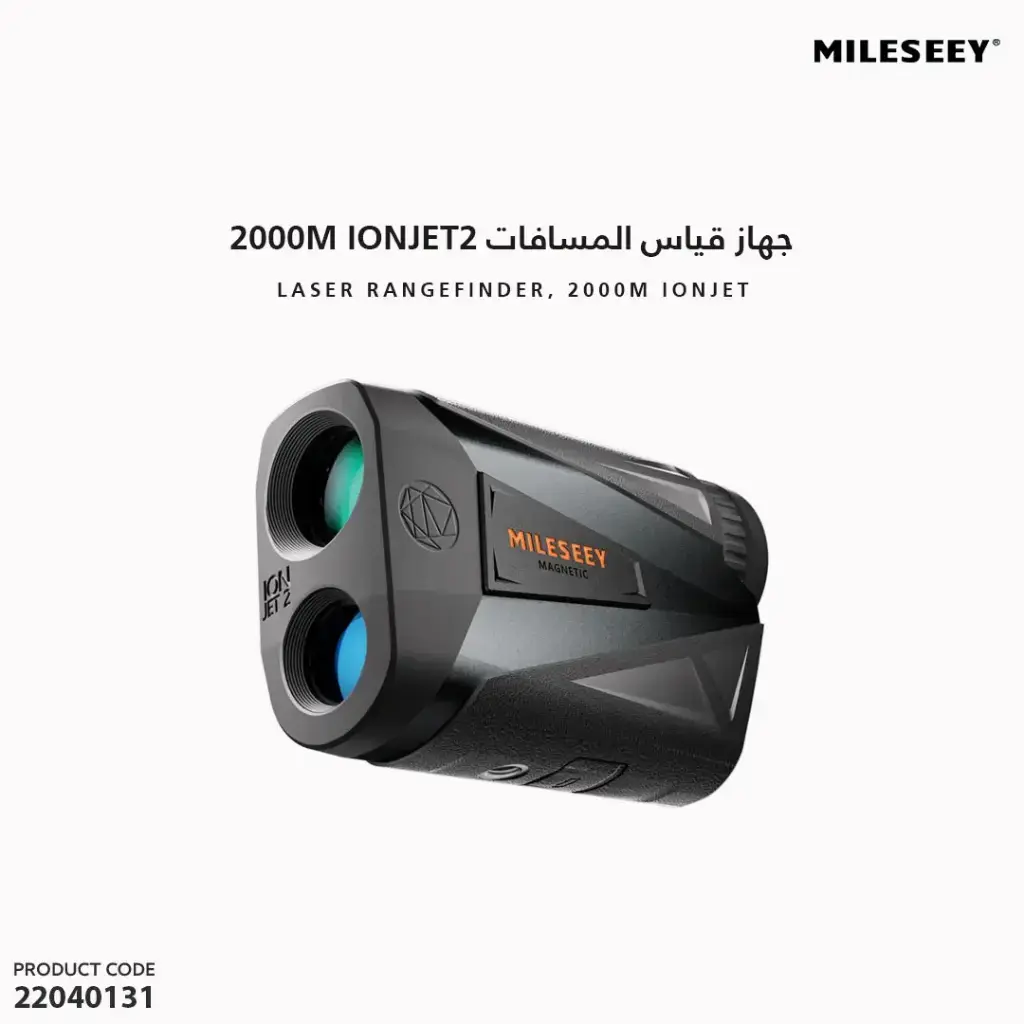
Mileseey IONJET2 2000M Rangefinder
A range of up to 2000 meters provides fast and accurate distance measurements, helping you make the right decision before every shot.
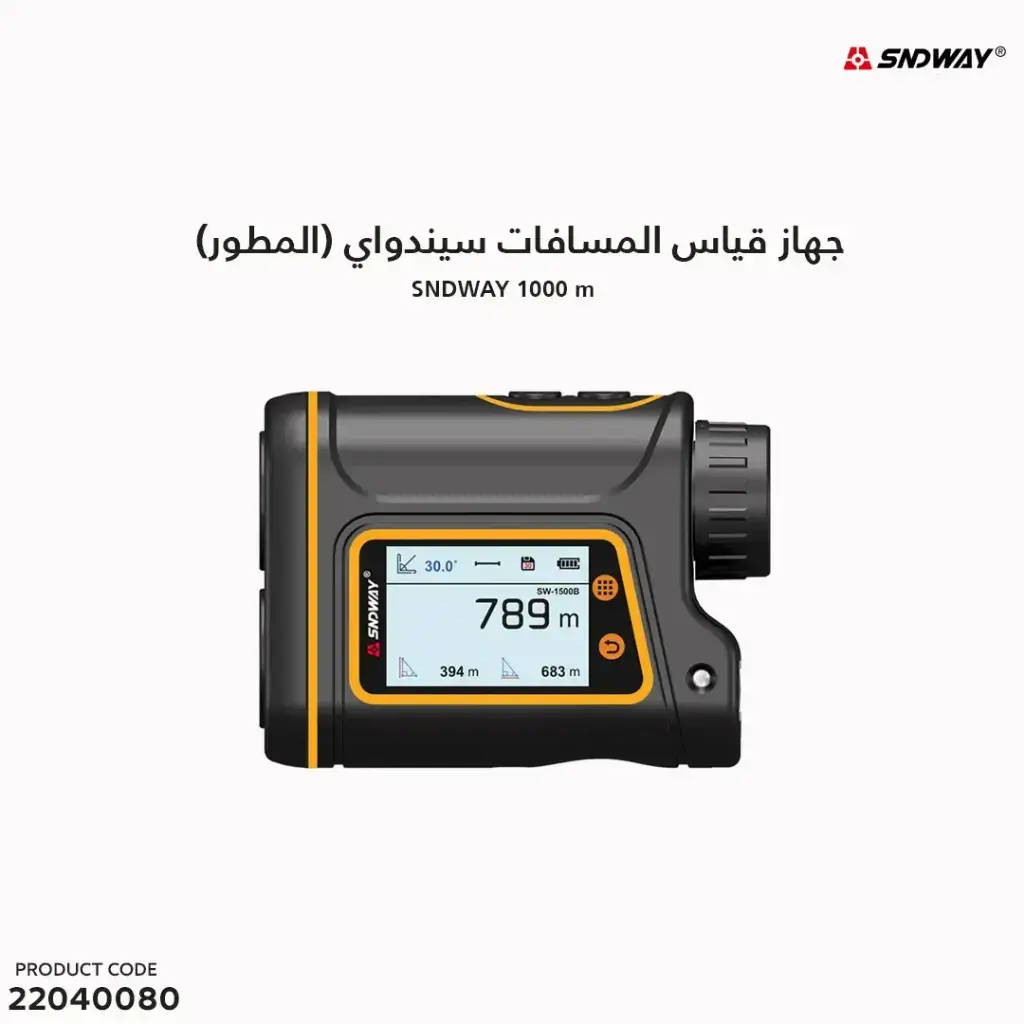
SNDWAY SW-1000B Rangefinder – 1000 m Range
A practical option for those looking for a device with sufficient range for medium-distance shooting, featuring a suitable size and easy operation without complicated settings.
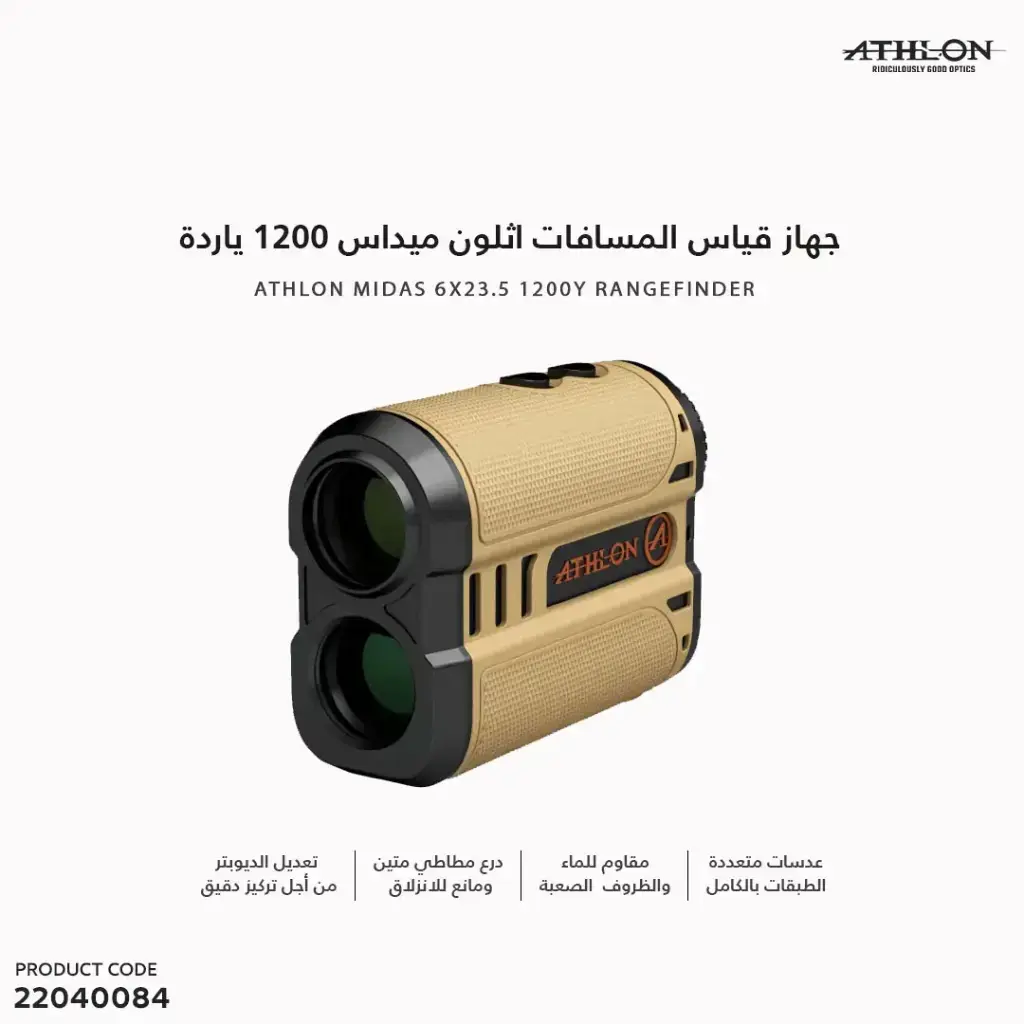
When shooting at relatively long distances, the difference between 800 and 1000 yards is not minor — it can completely change the drop calculations.
The Athlon Midas 1200Y provides a suitable range for advanced shooting without moving into the category of devices designed for extremely long distances.
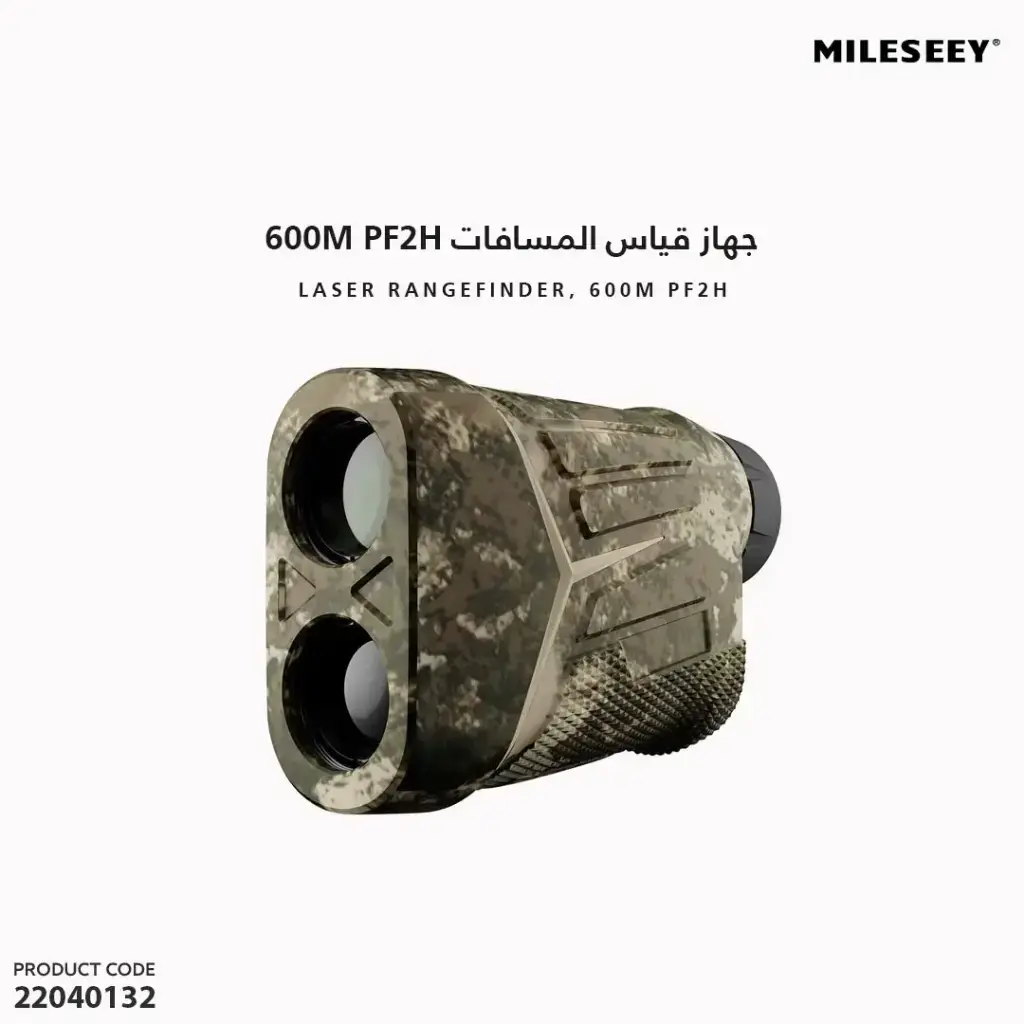
Mileseey PF2H Rangefinder – 600 m Range
A practical solution for shooting and hunting at close to medium distances, offering fast and accurate measurements in a compact and easy-to-use design.
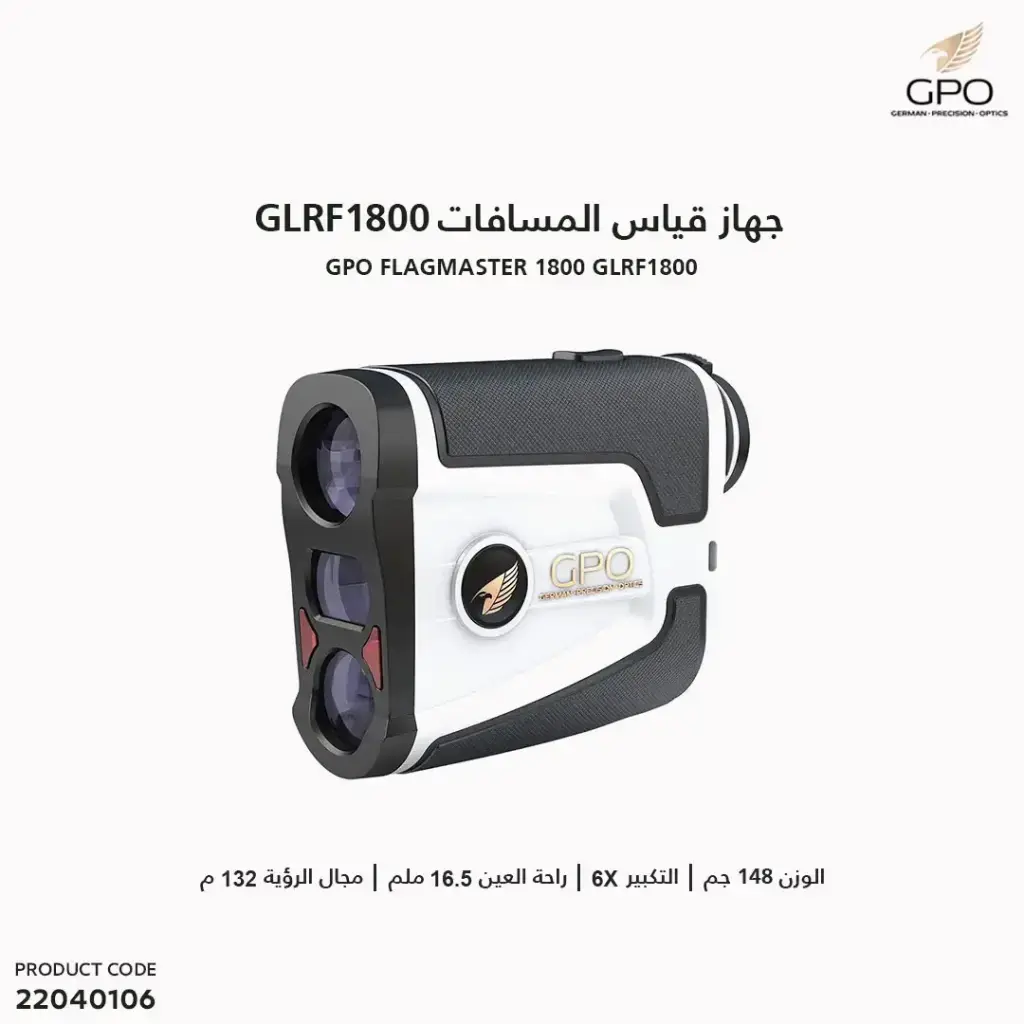
6× magnification with a 132 m field of view and a 20 mm objective lens provides a clear and stable image during measurement.
A compact design weighing 148 g with small dimensions (94 × 33 × 76 mm) for easy carrying and use.
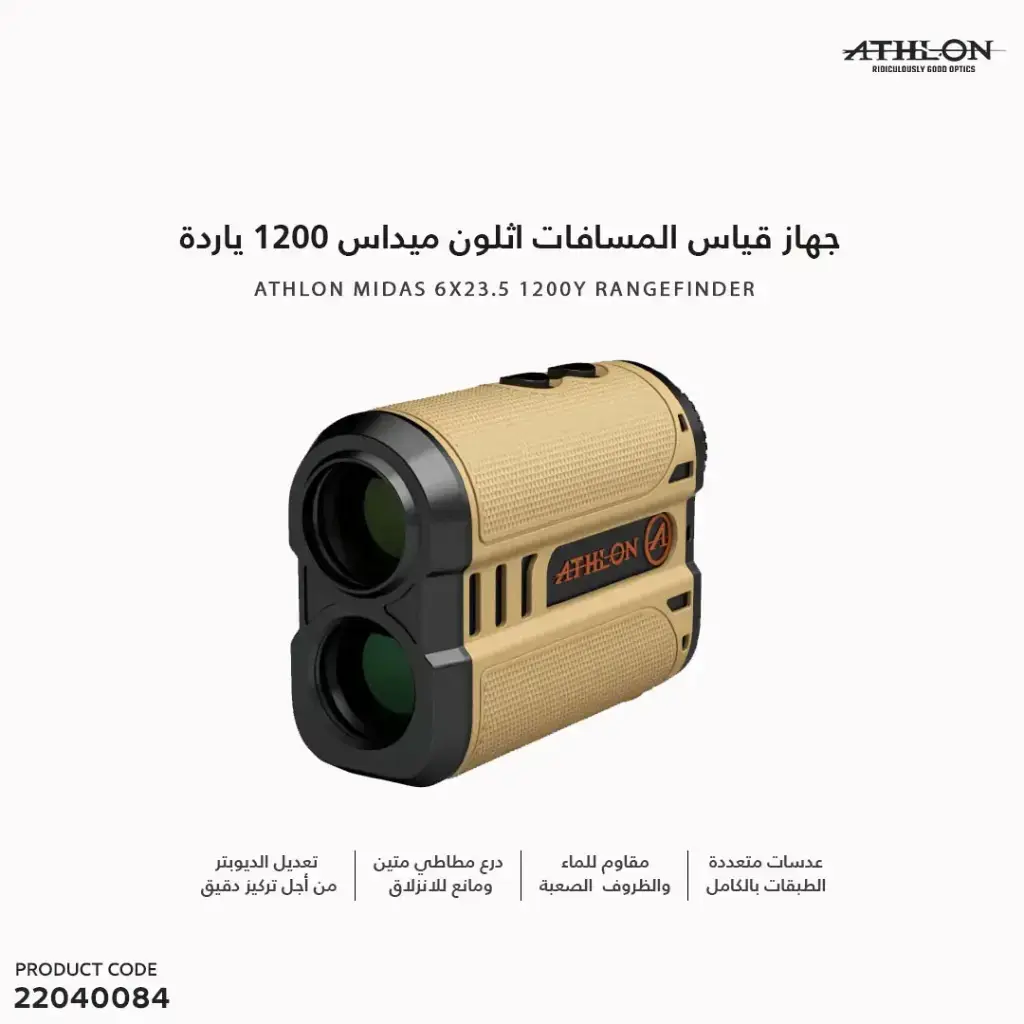
Athlon Midas Rangefinder – 1200 Yards Range
A reliable tool that provides clear distance readings to help you adjust your shooting calculations more accurately.
A suitable range for medium and long-distance shooting, with a practical design for field use.
When does a rangefinder become essential?
- Hunting in deserts
- Mountainous areas
- Variable distances
- Strong or changing lighting conditions
Even advanced systems and adjustments cannot compensate for an incorrect optical choice from the start.
Start with the fundamentals, then build your setup with confidence.
Check the professional scopes guide here.
Professional Conclusion
A complete aiming system does not rely on a single component.
Mount = Mechanical stability
Red dot = Speed of response
Rangefinder = Calculated decision
And when you choose from specialized brands such as:
Trijicon – Shield – MECANIK – Vector Optics – ATHLON – GPO – Konus – Apex Optics
You are investing in engineered performance and real field experience, not just written specifications.
The Comprehensive Guide to Choosing Scope Mounts, Red Dots, and Rangefinders