When you are out in the Saudi desert and the horizon stretches endlessly before you, or standing on a mountain peak in the Sarawat range with mist drifting around you, you quickly realize that the naked eye is not always enough to capture distant details.
A subtle movement far away, a bird soaring above the valley, or a natural landmark that helps you determine direction — these are moments where binoculars become an essential tool. They allow you to see more clearly and make more precise decisions, whether you are a hunter, a wildlife observer, or someone who enjoys camping and mountain adventures.
The goal of this guide is to give you a clear understanding of binoculars before making a purchase decision, along with practical steps and criteria that will help you choose the option that best suits your needs.
What Are Binoculars? And Why Are They Important in the Desert and Mountains?
Binoculars are an optical device that uses a system of lenses and prisms to magnify distant scenes and reveal their details more clearly. Their importance in desert and mountain environments is not limited to magnification alone, but centers on three key aspects:
Safe observation:
Allowing you to survey terrain or detect movement before getting closer.
Accuracy:
Helping you distinguish between nearby and distant targets, or identify landmarks and routes more precisely.
Eye comfort:
Providing clearer vision without the constant strain of trying to focus with the naked eye.
In environments like Saudi Arabia, you will often face dust, high temperatures, strong daylight glare, and low light conditions at sunset. For this reason, choosing the right binoculars is not a luxury—it is a factor that contributes to comfort, performance quality, and sometimes even safety.
How to Read Binocular Numbers (Such as 8×42 – 10×42)
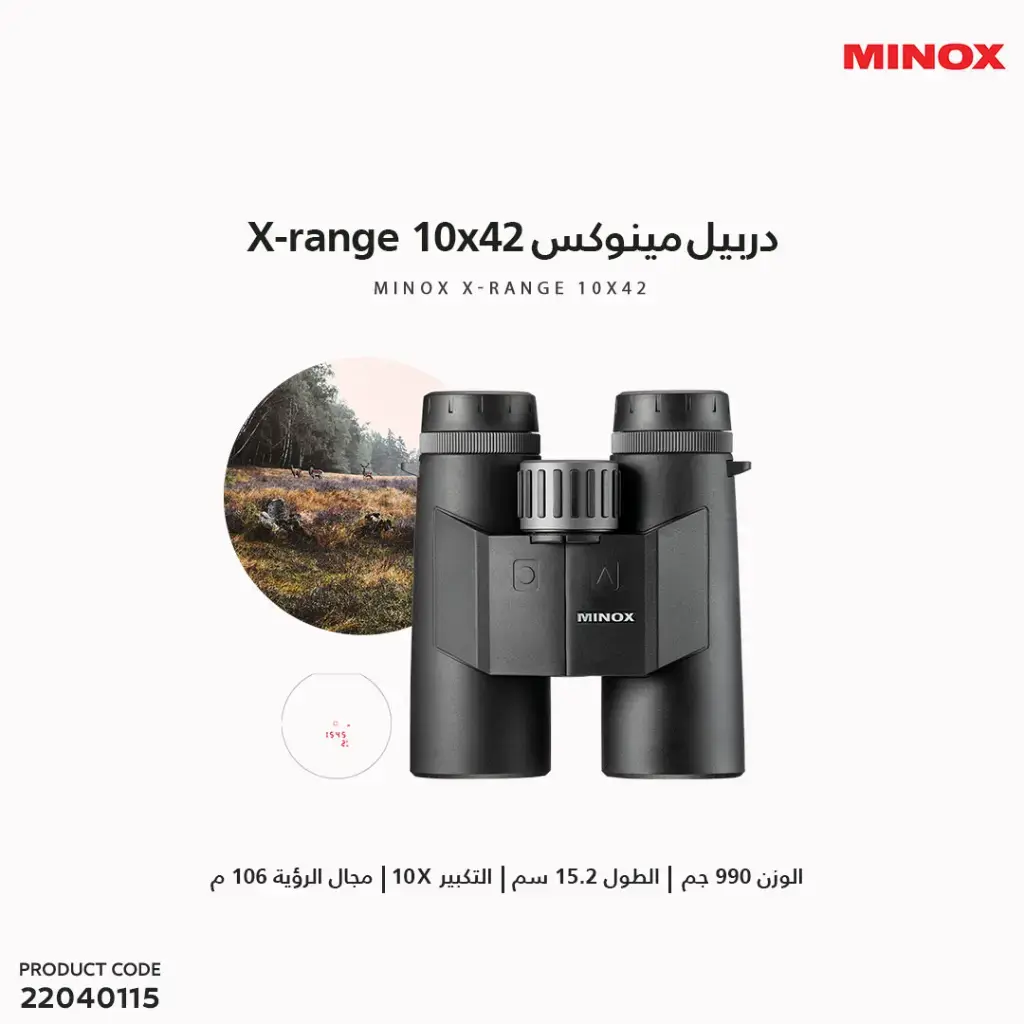
On most binoculars, you will find a numerical format such as 10×42 or 8×42. Understanding it is simple:
The first number (10×): Magnification power.
This means the object appears approximately 10 times closer compared to viewing it with the naked eye.
The second number (42): Objective lens diameter in millimeters.
The larger the diameter, the more light the binoculars can gather. This becomes especially important at sunset or in shaded mountainous areas.
Which Is Better for the Desert and Mountains?
8×42:
Offers a wider field of view and greater stability. Excellent for hiking, mountain travel, and bird watching.
10×42:
Provides higher magnification for open distances. Ideal for hunting and spotting distant movement in the desert.
12× and above:
Suitable for very long distances, but requires greater stability. It is often better used with a tripod or support to avoid image shake.
Practical rule:
If you move a lot (walking or climbing), 8× is usually more comfortable.
If you observe from a fixed point in open desert, 10× is a strong choice.
Key Specifications That Truly Matter Before Buying Binoculars
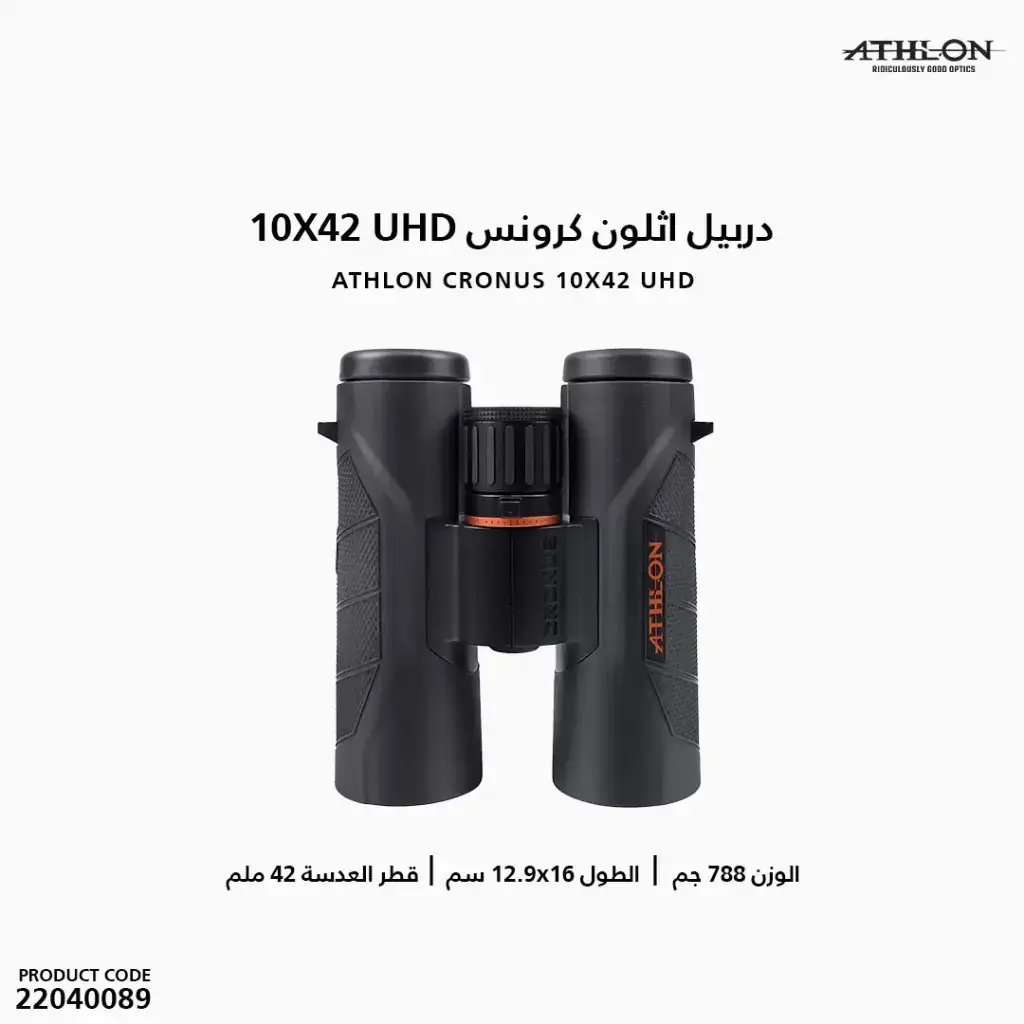
There are many specifications that may seem complicated, but what most users really need to understand is: “What will actually affect my experience?”
Here are the most important factors:
1) Lens Quality and Coatings (Multi-Coated)
High-quality binocular lenses usually feature special coatings that reduce light reflection and improve image clarity.
Practical benefits:
- Clearer image
- Better detail visibility
- Improved performance at sunset
If you plan to use binoculars at sunset or early in the morning, this feature is essential.
2) Low-Light Performance
Outdoor conditions are not always under bright midday sun. Many important moments happen in mountain shade or just before sunset.
Professional binoculars typically provide:
- Brighter images
- Higher detail clarity
- Better contrast between shadows
3) Waterproof and Fogproof Design
Even if you don’t use binoculars in the rain, you may encounter mountain humidity or sudden temperature changes (for example, moving from an air-conditioned car to hot or cold outdoor air).
Quality binoculars are usually:
- Waterproof
- Fogproof
- Nitrogen- or argon-filled to reduce internal condensation
4) Field of View
Field of view refers to how wide an area you can see through the binoculars. A wider field of view makes it easier to:
- Track a moving target (such as a bird or animal)
- Scan an area quickly
- Avoid the feeling of “searching for the target through a narrow tube”
In practice:
For mountain use and birdwatching, a wide field of view is extremely important.
5) Eye Comfort and Eye Relief
If you wear prescription glasses, look for binoculars with good eye relief so you can see the full image without the edges being cut off.
6) Weight and Durability
During mountain trips, every 100–200 grams can make a difference over time.
Look for a good balance between:
- Reasonable weight
- Comfortable grip (rubber-armored body)
- Durability against light impacts
The Difference Between Budget and Professional Binoculars — A Practical Perspective
You might ask: “Is it really worth it?”
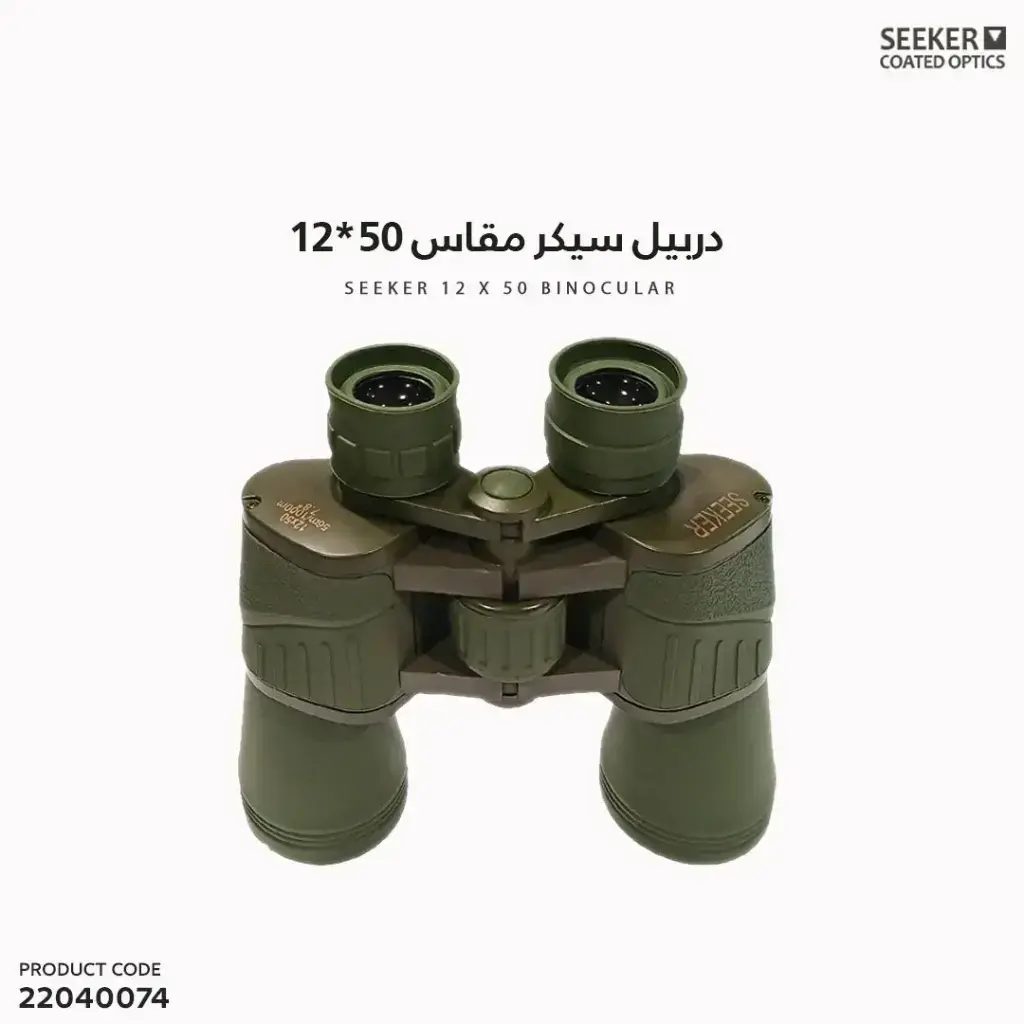
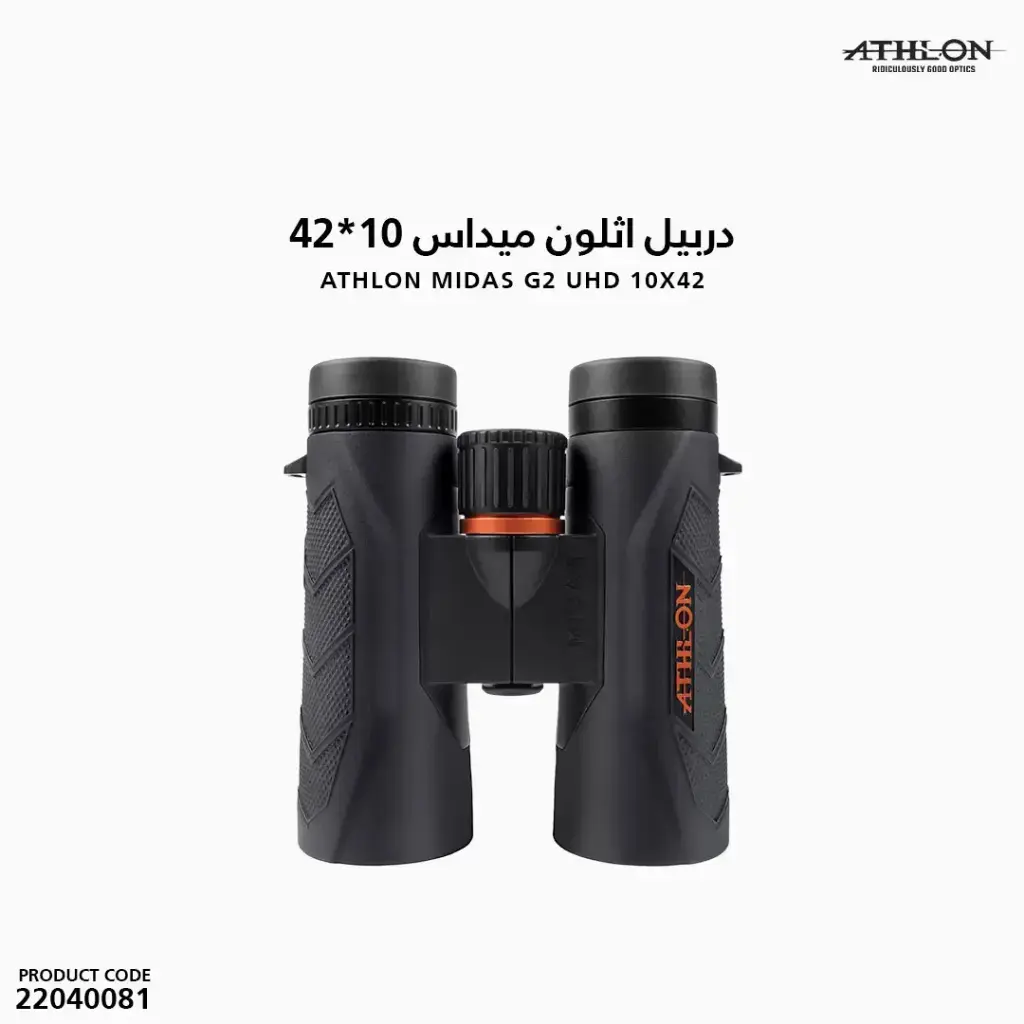
The difference usually becomes noticeable in three situations:
At sunset:
Budget binoculars tend to become dim and show blur or haze, while professional binoculars remain clearer.
In dust and heat:
Budget models may lose their sealing over time, while professional binoculars are designed to withstand harsh environments.
After long use:
Budget binoculars may cause eye strain, while professional models are generally more comfortable.
This doesn’t mean every budget binocular is bad, but if your use is frequent and serious, upgrading is usually a wise decision.
How to Choose the Right Binoculars Based on Your Use
Instead of choosing randomly, use this practical guide:
1) For Camping and Light Hiking
Recommendation: 8×42
Why?
- Greater stability
- Usually a comfortable weight
- Wide field of view
2) For Hunting and Observation in Open Desert
Recommendation: 10×42
Why?
Higher magnification helps spot distant details, while the 42 mm objective lens supports better performance in changing light conditions.
3) For Birdwatching and Wildlife Observation
Recommendation: 8×42 or 10×42 depending on your experience
Key factors:
- Wide field of view
- Natural color clarity
- Fast focusing
4) For Mountains, Fog, and Changing Weather
Recommendation: 8×42 with strong fog-resistant specifications
Why?
Mountain environments require stability and easy tracking, while fog and humidity require strong sealing.
Quick Test Before Buying Binoculars: How Do I Know They Suit Me?
If you are choosing binoculars for the first time, try checking these points (or ask about them before purchasing):
- Do I see one clear circular image? (Adjust the distance between your eyes.)
- Is the focus smooth and fast? (Focus wheel.)
- Is the image stable in my hands? If it shakes too much, the magnification may be higher than you need.
- Are the edges clear or distorted? Edge clarity often reveals optical quality.
- Do my eyes feel tired quickly? Eye fatigue may indicate lower optical quality or improper adjustment.
When Should You Upgrade Your Binoculars?
Consider upgrading if you notice:
- Weak performance at sunset
- Annoying blur or image instability
- Difficulty adjusting the focus
- Internal fogging inside the lenses
- Eye fatigue after only a few minutes
An upgrade here is not simply changing a product, but improving the entire experience: vision, comfort, and accuracy.
Tips for Taking Care of Binoculars in the Desert and Mountains
- Do not wipe lenses with a dry cloth when dust is present (it may scratch them). Use a blower or soft brush first, then a lens cloth.
- Keep binoculars in a padded case while traveling.
- Avoid leaving them in a closed car under heat for long periods whenever possible.
- After a humid trip, let them dry in a moderate environment before storing.
Now that you have a clear understanding of the specifications and differences between binocular types, you can visit Sayad.com, the online store of Arabian Hunter, to explore a wide selection of binoculars and outdoor gear. This allows you to choose the right equipment with confidence from the first time, without repeated trials or unnecessary additional costs.
Frequently Asked Questions About Binoculars
Is 10×42 always better than 8×42?
Not always.
10× provides higher magnification but is more sensitive to hand shake.
8× may be better for hiking and mountain use.
Can binoculars be used at night?
Binoculars are not night-vision devices, but they can perform better in low light if they have high-quality lenses and a suitable objective lens diameter.
True night vision requires specialized equipment.
What should I focus on if my budget is limited?
Focus on:
- Lens clarity
- Waterproof and fogproof sealing
- Eye comfort
These factors make the biggest difference in real-world use.
Guide Summary
Choosing the right binoculars for desert and mountain environments depends first on understanding your intended use, then selecting the appropriate magnification and lens size.
For mountains and hiking: 8×42 is often the better choice
For open desert and hunting: 10×42 is often more suitable
And remember:
True optical quality becomes evident at sunset, while comfort reveals itself after long use.
The Complete Guide to Choosing the Right Binoculars for the Desert and Mountains